
Shopify Session Measurement Overhaul (2026): 30-Minute Rolling Windows, Bot Filtering & Conversion Rate Impact
Full technical breakdown of Shopify Analytics’ September 2026 session measurement update: replacing UTC midnight resets with 30-minute inactivity windows, direct-to-checkout session backfilling, automated bot filtering, and diagnosing conversion rate shifts.
Executive Summary & Research Scope
Full technical breakdown of Shopify Analytics’ September 2026 session measurement update: replacing UTC midnight resets with 30-minute inactivity windows, direct-to-checkout session backfilling, automated bot filtering, and diagnosing conversion rate shifts.
Editorial Metadata: Published on 2026-09-28 by Shopify Analytics 战略研究组 · evaoo 商业数据架构实验室. This English Technical Edition distills the full empirical architecture, primary-source evidence, and operational SOPs for global cross-border growth and AI engineering teams.
1. The 3 Core Algorithmic Changes in Shopify’s 2026 Session Engine
Shopify's analytics pipeline underwent a foundational architectural upgrade to align storefront session counting with modern industry standards (such as GA4):
- Elimination of Midnight UTC Session Splitting: Previously, an active shopper browsing across 00:00 UTC was artificially split into two separate sessions. Shopify now enforces a strict 30-minute rolling inactivity window regardless of calendar day boundaries.
- Direct-to-Checkout Session Backfilling: Headless storefronts, cart permalinks, and external social checkout flows that bypass the liquid theme pages now automatically backfill a valid storefront session when a checkout event is initiated.
- Upgraded Edge Bot & Headless Crawler Filtering: Automated scrapers, price-monitoring bots, and AI crawlers are filtered out at the edge before inflating session denominators.
 Figure 1: Shopify Session Measurement Overhaul (2026): 30-Minute Rolling Windows, Bot Filtering & Conversion Rate Impact — Primary Source Visual Evidence & Architectural Diagram (1)
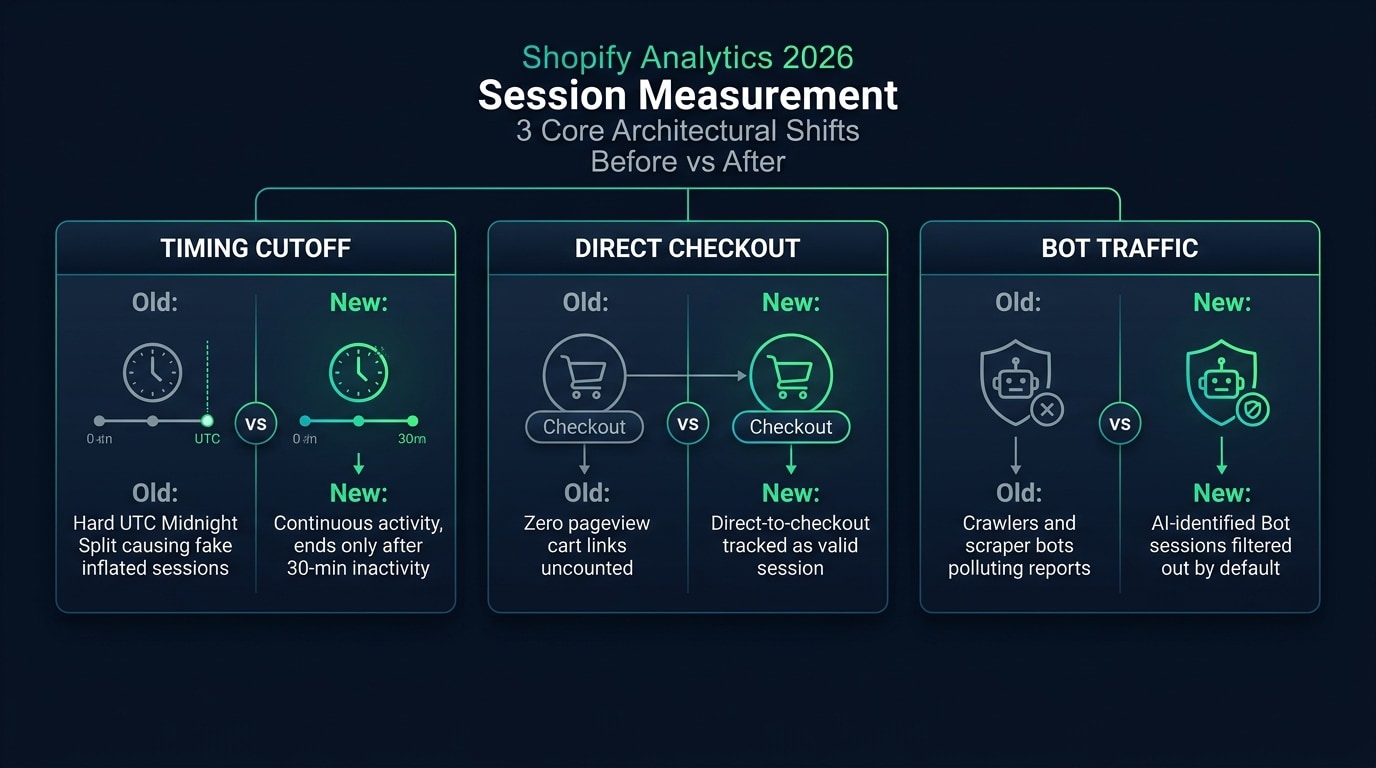 Figure 2: Shopify Session Measurement Overhaul (2026): 30-Minute Rolling Windows, Bot Filtering & Conversion Rate Impact — Primary Source Visual Evidence & Architectural Diagram (2)
2. Why Your Storefront Conversion Rate (CVR) Shifted Overnight
Because Conversion Rate is calculated as Orders / Total Sessions, any structural change to the session denominator immediately alters reported CVR—even when actual revenue and order volume remain 100% constant:
- Standard DTC Storefronts: Removing midnight session splits and aggressive bot traffic reduces total reported sessions, which mathematically increases reported Conversion Rate.
- Headless / Permalink-Heavy Brands: Backfilling previously uncounted direct-to-checkout visits increases total reported sessions, normalizing previously inflated checkout conversion rates.
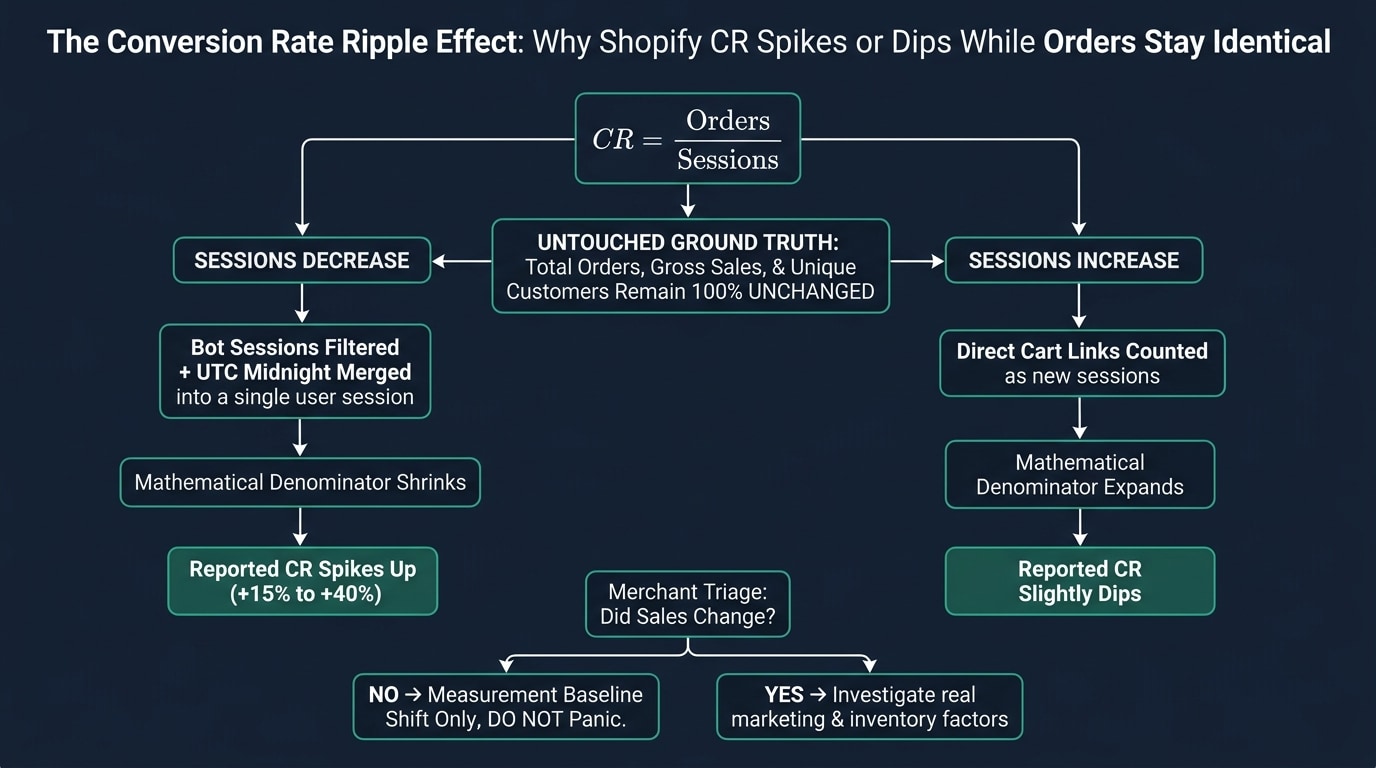 Figure 3: Shopify Session Measurement Overhaul (2026): 30-Minute Rolling Windows, Bot Filtering & Conversion Rate Impact — Primary Source Visual Evidence & Architectural Diagram (3)
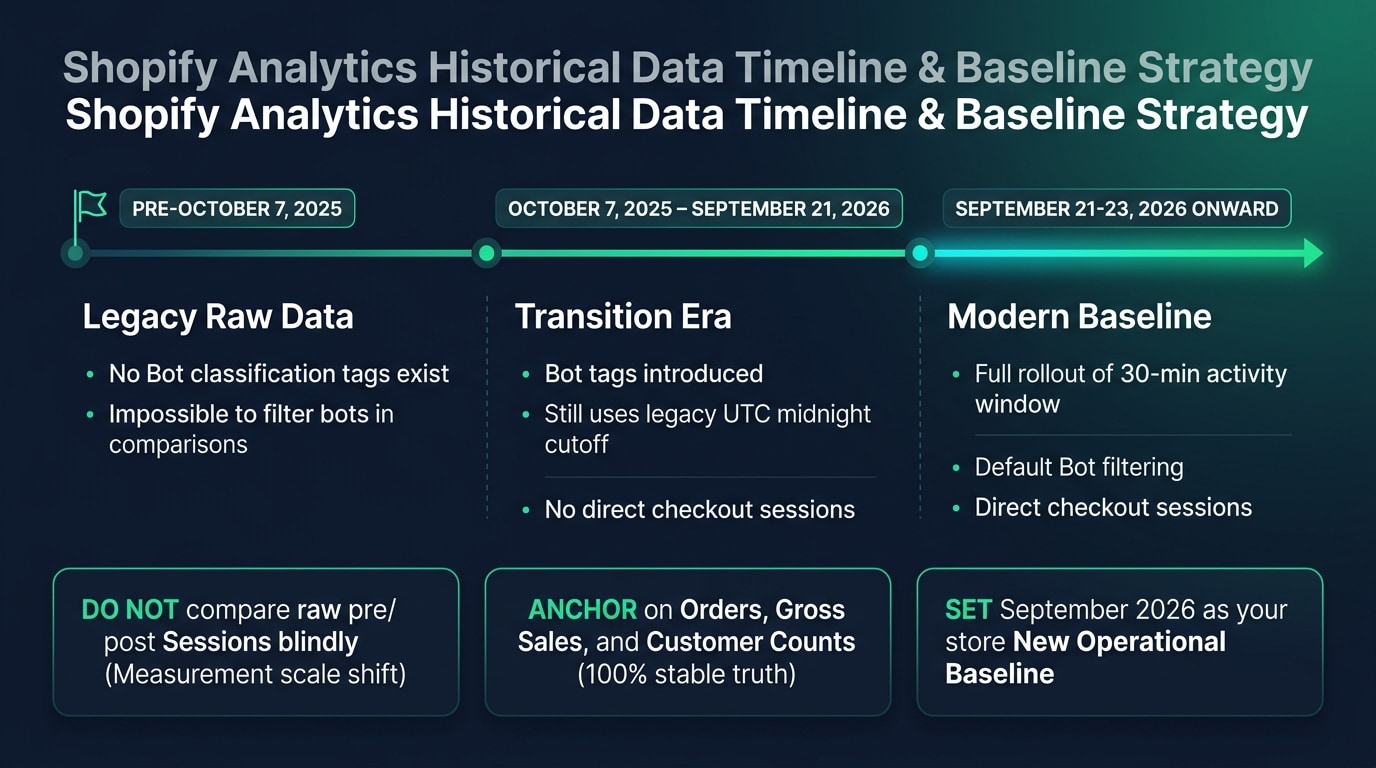 Figure 4: Shopify Session Measurement Overhaul (2026): 30-Minute Rolling Windows, Bot Filtering & Conversion Rate Impact — Primary Source Visual Evidence & Architectural Diagram (4)
3. Reconciling Shopify Analytics with GA4 and Ad Platform Attribution
Growth teams should annotate September 2026 in their BI dashboards and evaluate marketing efficiency using MER (Marketing Efficiency Ratio = Total Revenue / Total Ad Spend) and Cost Per Order (CPO) rather than relying solely on session-denominator CVR comparisons across pre-update periods.
Actionable Implementation Checklist & Strategic Takeaways
- Action Item #1: Add a permanent baseline annotation to your executive BI dashboards marking the 2026 Shopify Session Measurement transition.
- Action Item #2: Compare pre-update and post-update performance using Unique Orders, Gross Sales, and MER rather than raw session counts.
- Action Item #3: Audit custom headless or cart-permalink funnels to account for newly backfilled direct-to-checkout sessions.
Cross-Channel Growth & AI Citation Matrix
| Operational Dimension | Legacy Approach | 2026 Best-Practice Architecture | Expected Impact |
|---|---|---|---|
| Signal & Context Integrity | Fragmented client-side tags & ad-hoc prompts | Unified container governance, structured JSON-LD & deterministic harnesses | Higher attribution accuracy & zero runtime drift |
| Execution Velocity | Manual spreadsheet reconciliation & repetitive edits | Automated agent skills, visual tagging & programmatic SOPs | 50%–70% reduction in operational turnaround time |
| Discovery & ROI | Single-channel last-click optimization | Multi-touch Search + Creator + GEO citable content matrix | Compounding organic citations & resilient media ROI |
Found this actionable? Copy standard citation & summary
Formatted with canonical attribution link and executive summary—ready for Slack, Notion, or LLM context.
Put Into Practice: Companion Browser Workbenches
Shopify GTM & GA4 Web Pixel Generator
Generate production-ready Shopify Customer Events Web Pixel code for GA4, Meta, and TikTok.
UTM Builder Pro Matrix Workspace
Reverse URL parser, GA4 channel group diagnostics, and dynamic ad macro batch CSV export.