
Many view Google SEO as just writing posts or keyword stuffing. In reality, it is a closed-loop system engineering:
Structural foundations, Content value, and Trust authority. Weakness in any system ruins the organic loop.
1. Your View of Google SEO
Many beginners understand SEO as a simple linear formula: Rank = Traffic. This is result-oriented but overlooks system design.
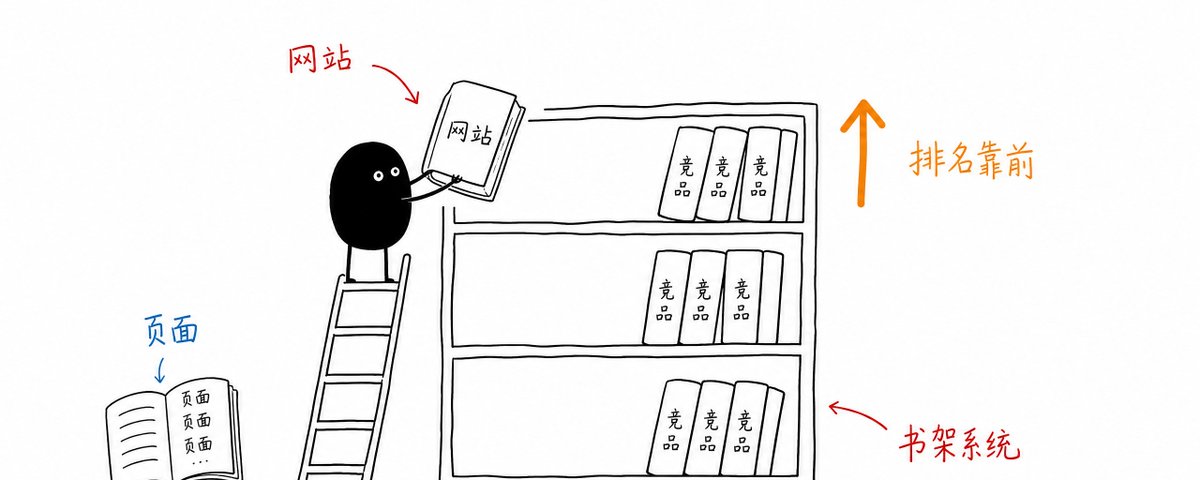
Instead, let's visualize the Google search engine as a massive "Bookcase System":
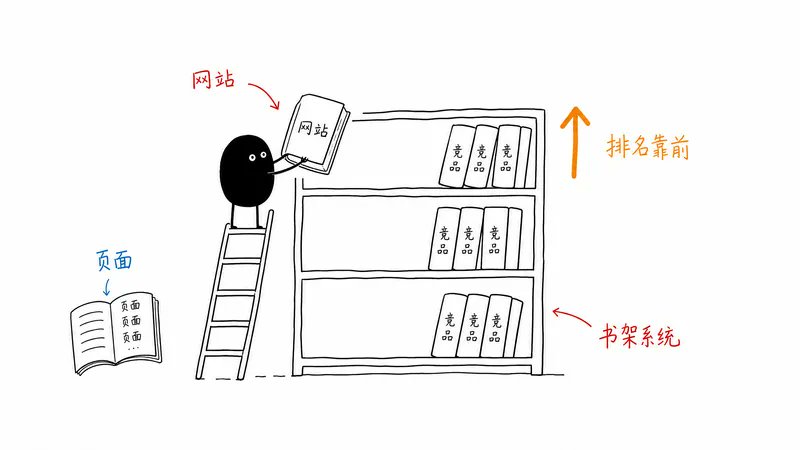 Figure 1: Google bookcase metaphor for search index and page layouts
- Google Search = A Library Bookcase:Organizes, categorizes, and displays the best chapters.
- Your Website = A Single Book:The cataloging and author credentials determine its designated zone.
- Your Page = A Chapter:Each chapter addresses a single, specific search intent.
- SEO Rank = The shelf positioning:Closer to eye level (Top rankings), higher chance of acquisition.
2. What is the Core SEO Formula?
To secure prime placement on the showcase shelf, CoderJeffLee distills SEO into a unified formula:
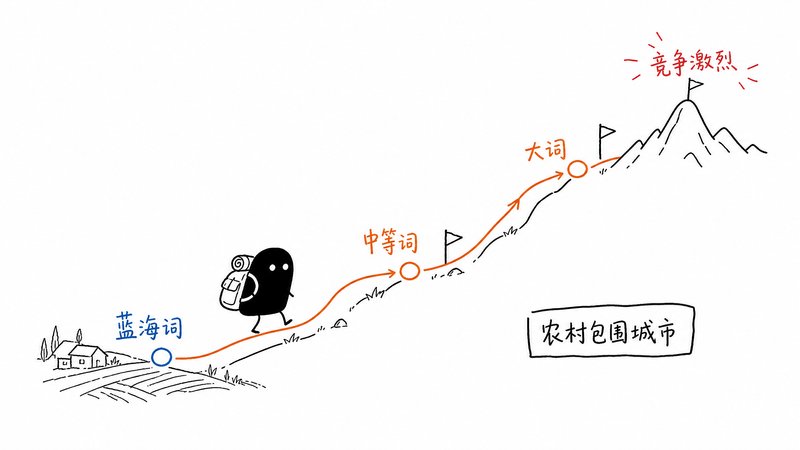 Figure 2: Collaboration of On-page systems (Content/Infra) and Off-page authority (Backlinks)
This model divides optimization tasks into On-page systems and Off-page voting:
- On-Page Systems (Infra & Content):
- Page Infrastructure: Handles crawling accessibility, Core Web Vitals, and responsive UI.
- Page Content: Delivers quality text or interactive tools matching intent.
- Off-Page Systems (Trust):
- Backlinks: Peer endorsements confirming authority.
2.1 Structural System: The SEO Foundation
Google is fundamentally an automated crawler & parsing client. If a webpage is slow, broken, or unstructured, the crawler cannot read it.
This represents the essence of Technical SEO: it is not about ranking, but securing crawlability, indexability, and render stability.
 Figure 3: Six control vectors of webpage technical infrastructure
⚡️ Web Performance
TTFB, lazy-loaded components, CDN caches, and Core Web Vitals optimizations.
📂 Information Architecture
Normalized URLs, hierarchical paths, internal link graphs, and avoiding orphan pages.
📱 Mobile & Localization
Mobile-first layout viewport setups and hreflang tag mapping for international content.
🏷️ Structured Data
Automated JSON-LD schemas representing FAQs, Articles, Products, or Review counts.
2.2 Content System: The Real Competency
Infrastructure guarantees indexability, whereas content decides your ceiling. Design content systems based on three core steps:
- Identify the Content Type:Let the SERP decide the target page form. If the top 10 results are calculators, construct a tool page. If they are guides, compose a detailed article.
- Keyword Target Tiering:Start with low-competition long-tail keywords (e.g. "AI music video generator for developers") to build topical nodes before attacking massive high-volume head terms.
- Map Priorities by Search Intent:Filter keyword intents into Informational, Commercial, Transactional, and Navigational buckets to define layout priority and conversion funnels.
GEO (Generative Engine Optimization) Adaptations
Structure content into modular components (conclusion boxes, table comparative matrix, itemized FAQ cards). These nodes serve as prime extraction sources for LLM search aggregators.
3. Trust System: The Authority Moat
If structural layouts serve as bones and content provides flesh, the Trust System represents the soul of your ranking stability. Without authority signals, your pages will rot under algorithmic quality updates.
Build robust trust signals across two main pillars:
- Google E-E-A-T 官方规范落地:Configure dedicated transparent support pages: About Us, contact info, detailed Privacy Policy, and Terms. Ensure pages are associated with verifiable expert author bio modules linking to external active profiles.
- 外链建设与行业背书(信任投票):Acquire editorial backlink placements from relevant vertical niche sources. Authentic referral trust flow is an essential signal.
Conclusion: The Closed-Loop growth system
In summary, Google search optimization is not a trick of magic keyword hacks, but a system engineering: Structure lets engines discover you, Content satisfies user search intents, and Trust converts clicks into actual revenue.
