
Programmatic SEO (pSEO) is one of the most powerful vectors for traffic acquisition. I will unpack my direct learning loops, showing how to engineer high-yielding directory hubs without triggering search quality penalties.
Uncovering the underlying database architectures, automation loops, and critical indexing heuristics.
1. Hard Lessons from Failed pSEO Experiments
Let us start with raw failure. I have built sites where the traffic crashed like a falling stone or got outright de-indexed by Google.
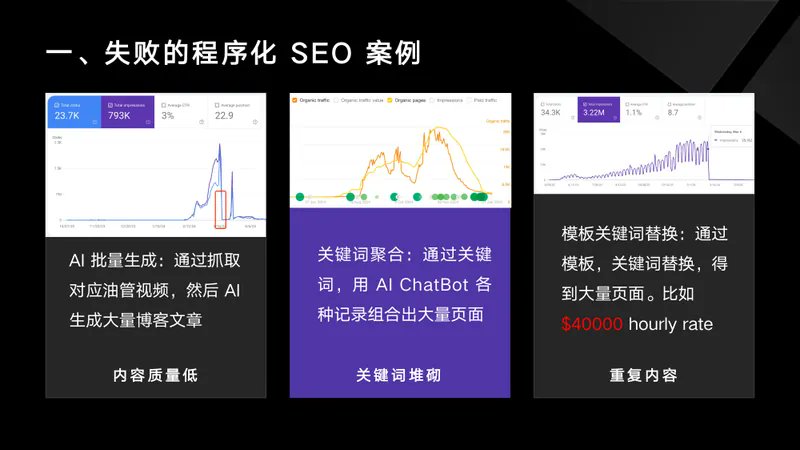 Figure 1: Organic traffic plunge on low-quality programmatic templates
Reviewing the post-mortems, here are three terminal red lines:
Scraping YouTube captions without value-add results in zero information gain and instant classifier penalties.
Dumping raw chat transcripts into hundreds of thousands of low-context question hubs.
Pure keyword string replacement with zero underlying computation engine or proprietary data.
💡 Three Core Realizations Post-Crash
- Google does not penalize AI text itself; it penalizes spam. High-intent utility pages rank whether authored by agents or humans.
- Human-written spam fails just as fast. Mass-producing low-value templates manually still triggers the helpful content classifier.
- pSEO Formula: Automation * Unique Information Gain. Your dataset determines your survival.
2. Key Formulas Drawn from Success Stories
Now look at success. ZoomInfo programmatically publishes structured profile hubs of corporations and staff, expanding their organic footprint by 20 million YoY.
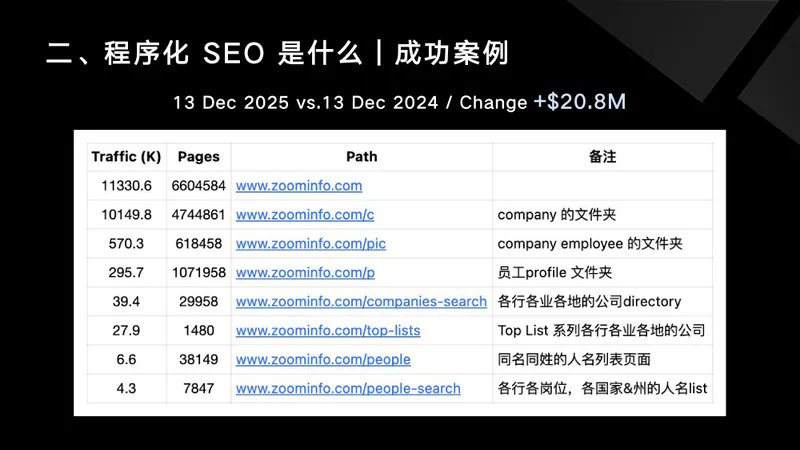 Figure 3: Massive organic traffic gains on ZoomInfo using structured business directory cards
From these benchmarks, we derive the core programmatic formula:
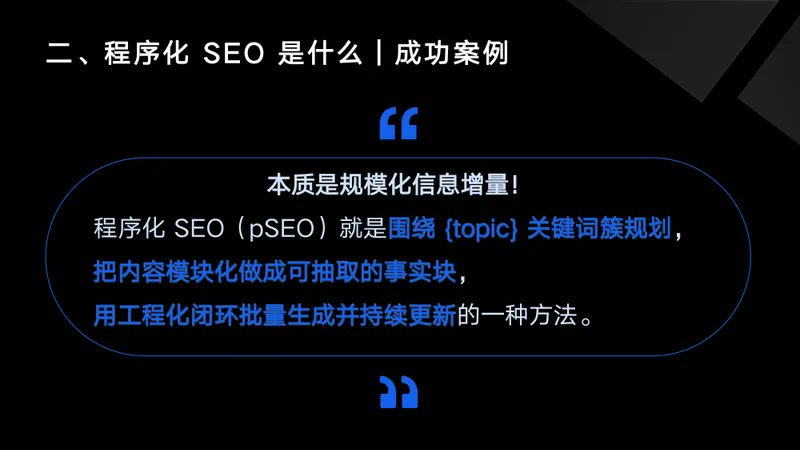 Figure 4: Programmatic SEO closed-loop architecture: Clustering, Modularity and Pipeline Updates
3. The Step-by-Step Closed Loop Setup
To implement a viable, long-lasting project, execute these three phases:
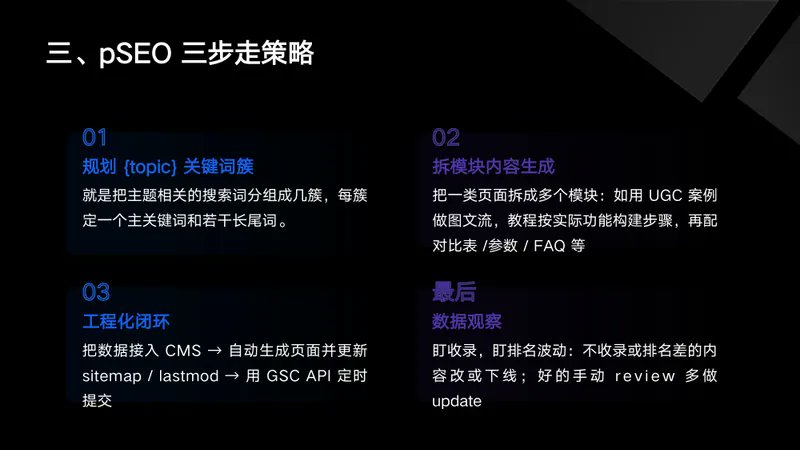 Figure 5: Three steps for executing a sustainable programmatic campaign
1Step 1: Map Keyword Clusters First
Do not write content yet. Map the parent niche structure and variable dimensions first.
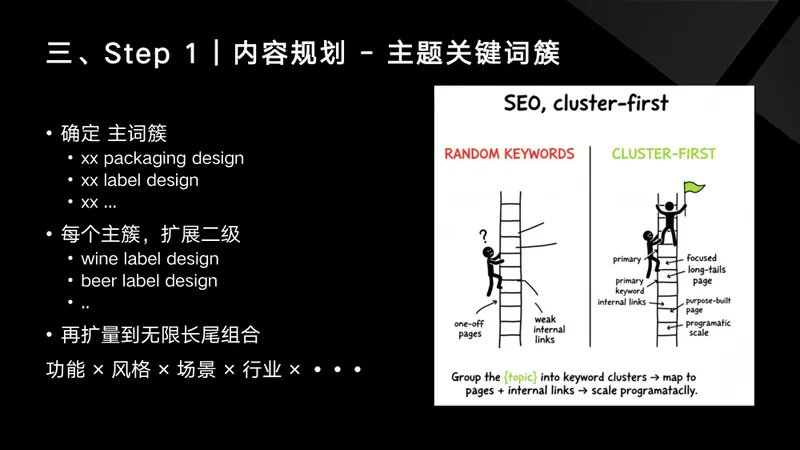 Figure 6: Hierarchical relationships of head terms, sub-categories, and long-tail variants
Use this blueprint to build a rich dataset:
- Head Niche:Identify the primary business domain (e.g. "[Topic] Design").
- Sub-Category:Define subsets (e.g. "wine bottle", "beer can").
- Long-tail matrix:Combine variables: Function × Style × Material × Niche to map out routes.
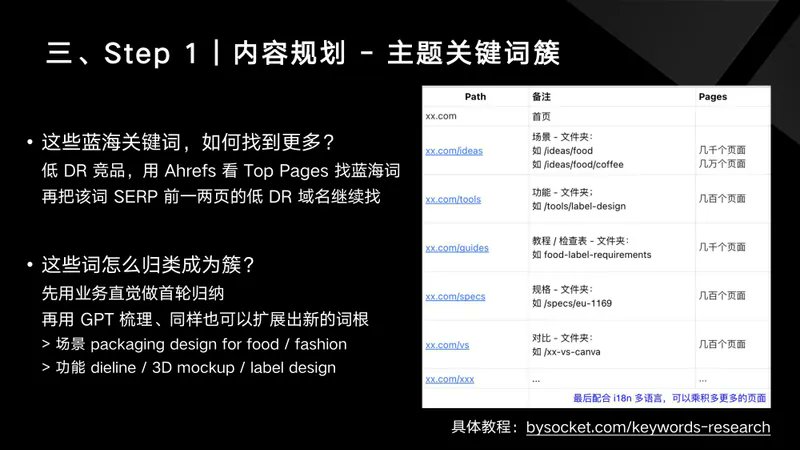 Figure 7: Using SEO tools and LLMs to locate low-DR competitor opportunities
Step 2:Step 2: Designing Modular Page Layouts
Structure your target layouts into standard sections (H1 title, H2 key headers) and define robust data retrieval pipelines for each block:
- Calculator / Visual Widget:Integrate dynamic calculators, charts or automated mockups. This satisfies search intent and decreases bounce rates.
- Unique Fact Data:Pull from internal private databases (UGC hubs, raw CSV stats). Google values this as proprietary data.
- Agentic Contextual Copy:Use LLM pipelines with strict JSON schemas to write short summaries, preventing mechanical template repetitiveness.
Step 3:Step 3: Engineering Pipeline (Headless CMS & API Indexing)
Managing 10,000+ files manually is impossible. Construct an automated publication chain:
- Headless CMS + SSG:Manage datasets via Strapi or PostgreSQL. Build raw static pages using Next.js or React SSG. Aim for a loading speed under 500ms to maximize crawl budgets.
- Sitemap Sharding:Do not write all URLs to one massive sitemap. Split paths into separate XML maps of 5k items each with accurate lastmod variables.
- Google Search Console Indexing API:Run backend cron jobs daily submitting modified paths to the Google Indexing API to trigger instant crawling.
Safety Check: Avoid Zombie pages
Spamming index networks with thousands of empty shells triggers site-wide algorithmic penalties. Run pilot programs: deploy 100-200 URLs first, review indexing and time-on-page metrics, adjust layout templates, and then scale.
Ultimately, pSEO is not a loophole. It is the scale multiplier of your content value. May this pipeline help your SaaS product capture steady organic flow.
