
What Colors Tell in Film: Decoding Cinematic Color Storytelling from In the Mood for Love to The Grand Budapest Hotel
What Colors Tell in Film: Decoding Cinematic Color Storytelling from In the Mood for Love to Grand Budapest Hotel
Adding black letterbox bars or generic teal-and-orange LUTs does not make an image cinematic. Deconstruct how Wong Kar-wai, Denis Villeneuve, and Wes Anderson use color relationships to drive narrative tension.
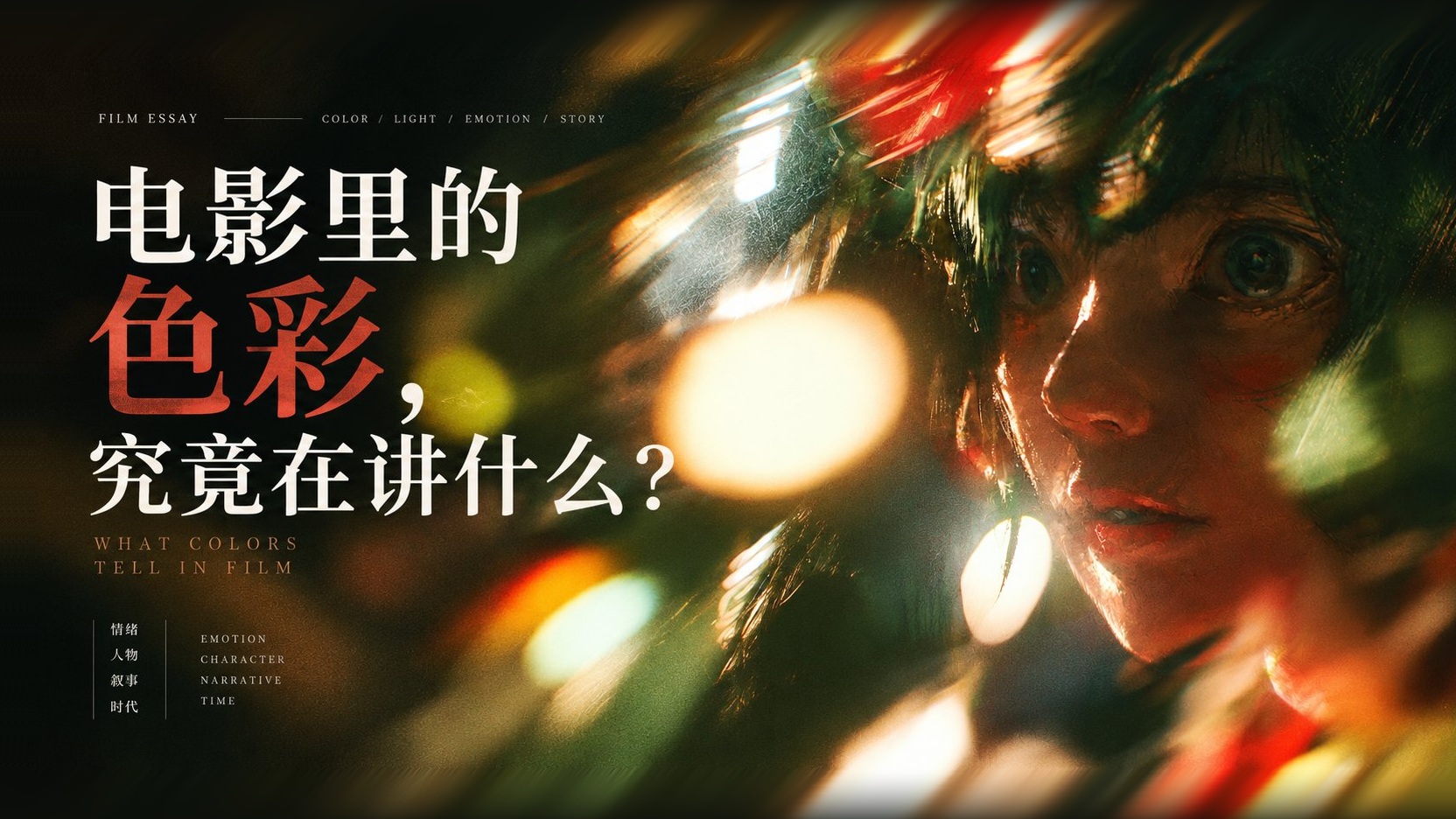
1. Beyond "Teal & Orange": Color as Dramatic Conflict and Psychological Space
In cinema, color is never mere surface decoration—it is a visual script that assigns emotional roles to characters and spaces before a single line of dialogue is spoken.
Across 10 landmark films (*In the Mood for Love*, *Moonlight*, *Raise the Red Lantern*, *Blade Runner 2049*, *The Grand Budapest Hotel*), cinematic color operates through **Relational Tension**: how a character’s hue either harmonizes with or fights against the surrounding environment.
- In the Mood for Love (Wong Kar-wai): Saturated crimson curtains and emerald corridors trap suppressed passion inside humid, claustrophobic tungsten shadows.
- Blade Runner 2049 (Roger Deakins): Monochromaticochre dust and sterile cyan fog isolate human vulnerability inside overwhelming brutalist scale.
- The Grand Budapest Hotel (Wes Anderson): Pastel pink confectionery palettes frame nostalgic memory against encroaching historical darkness.
2. The 3 Narrative Color Roles in Cinematic Prompting
When generating cinematic frames with AI, assign every color a specific narrative job rather than asking for "cinematic lighting":
- Environmental Dominant Tone (The World’s Rule): Establishes the psychological climate (e.g., humid moss-green shadow).
- Protagonist Counter-Tone (The Emotional Core): Isolates the subject from the environment (e.g., a warm crimson coat against cold rain).
- Transitional Light Accent (The Catalyst): A practical lamp, neon reflection, or doorway slit bridging the two worlds.
35mm anamorphic cinema still directed by Wong Kar-wai and photographed by Christopher Doyle.
Narrative Color Architecture:
- [Environmental World Tone (65%)]: Deep humid emerald-green hallway walls and heavy charcoal shadows, evoking nostalgia and restraint.
- [Subject Counter-Tone (20%)]: A solitary figure in a rich crimson velvet coat standing near the corridor frame edge.
- [Practical Light Catalyst (15%)]: Warm 2700K tungsten wall sconce casting soft halation and amber reflections across damp terrazzo flooring, Kodak Vision3 500T film stock, subtle motion blur --ar 2.39:1 --style raw
Engineering Comparison Matrix: Anti-Patterns vs. Production Best Practices
| Dimension | Common Anti-Pattern | 2026 Production Standard |
|---|---|---|
| Cinematic Atmosphere | "Cinematic lighting, movie still, teal and orange, 8k" | Assign Environmental World Tone (65%) vs. Subject Counter-Tone (20%) + Practical Light |
| Film Stock & Optics | Generic digital sharpness with zero halation or depth roll-off | Specify anamorphic lens, film stock (Kodak 500T), and practical tungsten halation |
Pre-Flight Production Verification Checklist
- 01Define the emotional conflict between the environment’s dominant color and the subject’s wardrobe color.
- 02Anchor lighting to a visible practical source (streetlamp, window blinds, neon reflection, tungsten bulb).
- 03Use 2.39:1 or 16:9 widescreen framing with foreground occlusion to create cinematic voyeuristic depth.
Found this actionable? Copy standard citation & summary
Formatted with canonical attribution link and executive summary—ready for Slack, Notion, or LLM context.
Put Into Practice: Companion Browser Workbenches
AI Media Provenance Clue Inspector & SynthID Portal
Client-side heuristic inspection for C2PA/XMP metadata markers and prompt text clues, with direct handoff to the official SynthID Portal.
EVA Studio Visual Poster Workspace
Social ad canvas presets, client-side AI background removal, and watermark-free vector export.
Explore More Image Guides
Back to Hub
ByteDance Seedream 5.5 Hands-On Review: Zero Degradation Across 100 Edit Rounds While GPT Image 2.6 Artifacts
Across 100 iterative editing rounds, GPT Image 2.5 and 2.6 suffer severe artifacting after just 10 turns while ByteDance Seedream 5.5 keeps faces and backgrounds rock-solid. Full review covering Jimeng Canvas multi-round outfit swaps, Beijing/Tianjin snow realism & world knowledge, Capwise transparent icon layer splitting, Li Qingzhao historical portrait-to-real conversion, and 0.4% low-error Chinese/English infographic text rendering.
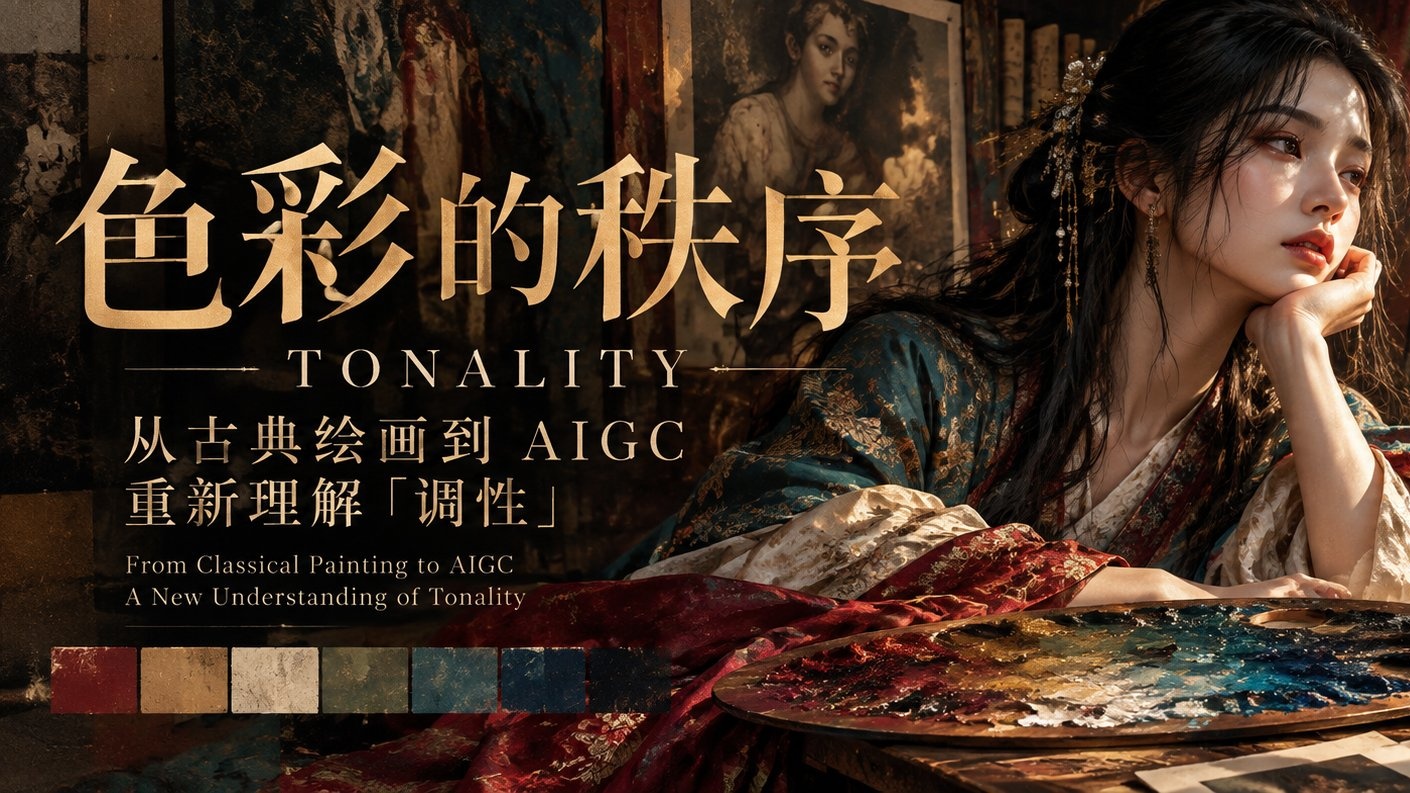
The Order of Color: From Classical Painting to AIGC, Re-understanding "Tonality"
Tonality goes deeper than color palettes—it is the overarching visual order governed by Value Structure, Chroma Relationship, Temperature Interplay, and Area Proportion. Through Rembrandt, Vermeer, and Hammershøi masterworks, learn how to write true tonal-harmony AIGC prompts.
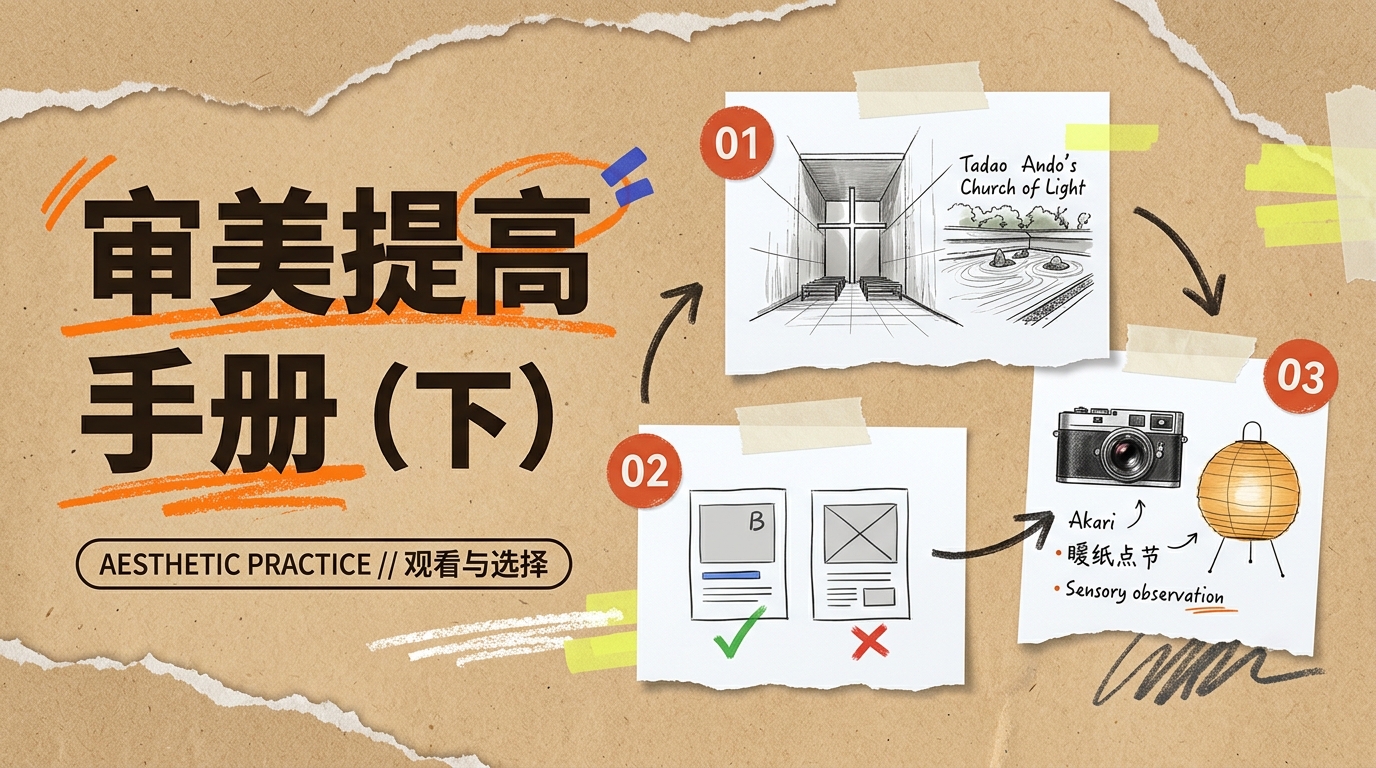
Aesthetic Improvement Handbook in the AI Era (Part 2): Master Observation, Single-Variable Comparison & Real-Space Practice
How do you practically cultivate aesthetic judgment? Through 26 high-resolution plates—spanning Ryoan-ji rock garden, Chichu Art Museum, Matthew Butterick typography comparisons, Monet's Wheatstacks, Tadao Ando's Church of Light, Peter Zumthor's Therme Vals, Isamu Noguchi's Akari lantern, Henri Cartier-Bresson, Michael Wolf, and Hiroshi Sugimoto—this handbook builds an actionable aesthetic training loop.
Need Autonomous Agents?
Explore multi-agent workflows, enterprise RAG, and local LLMs.