
Style Guide: Retroism# Style Guide•8 min•Author: RicoUI @ricouii
Design Style Guide: Retroism — Nostalgia Psychology & 20s-90s Classic Aesthetics Breakdown
Time moves forward, yet nostalgia is eternal. Complete breakdown of Art Deco, 50s diner ads, 70s psychedelic, 80s neon synthwave, 90s Y2K tech, Bauhaus and Showa retro with an interactive AI prompt generator.
Visual Aesthetics & Design Genres20s-90s Vintage Playbook · AI Prompt Lexicon
Time Moves Forward, Yet Humanity Forever Yearns for the Past
Design serves not only as functional architecture, but as the physical vessel of cultural sentiment and the zeitgeist. Across design history, the perpetual cycle of nostalgia and revival stands as an eternal law. Understanding these classic retro styles grants creators an irreplaceable toolkit for branding, graphic design, and precision AI prompting.
1. Nostalgia: Why We Never Stop Longing for the Past
This universal psychological and cultural phenomenon is known as Nostalgia. Regardless of technological breakthroughs, people intuitively turn to the past in search of emotional solace, identity anchors, and cultural roots.
In visual design, this creates extraordinary tension. Retro design is never a thoughtless copy of antiquity; it extracts iconic visual tokens, vintage typesetting, and tactile textures, fusing them with contemporary digital aesthetics.

Once Upon a Time in Hollywood Poster
Rich 1960s-70s Western Hollywood aesthetic with warm orange palettes and retro hand-drawn poster character layout.
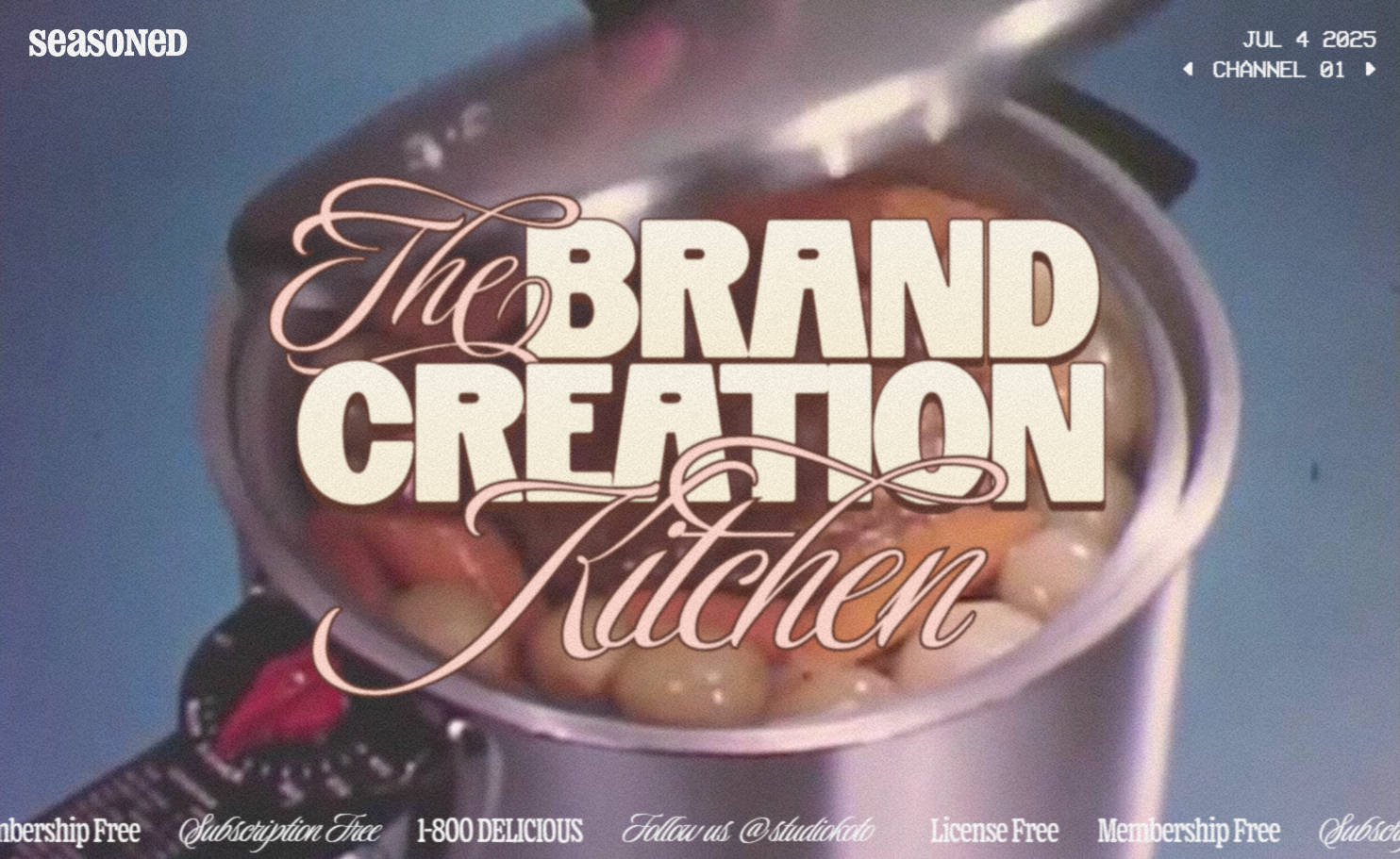
Seasoned Studio by Koto
seasoned.koto.studioModern web branding marrying timeless serif typography with archival print texture, balancing tactile heritage with minimalism.
2. Defining Retro Design: What Does It Encompass?
Retro design is a visual discipline that channels historical aesthetic markers—color palettes, typographic hierarchies, and atmosphere—to elicit nostalgia. Its essence lies in homage and recreation, forging instant emotional connection through recognizable historical hallmarks.
Retro is not a monolithic genre, but an expansive taxonomy. It spans decades—from 1920s Art Deco and 1950s diner pop, to 1970s psychedelic waves, 1980s synthwave neon, and 1990s Y2K pixel tech—while branching geographically into German Bauhaus and Japanese Showa Retro.

RTRFM - The Sound Alternative
rtrfm.com.auModern digital translation of vintage radio culture, pairing physical analog dials with raw editorial print typesetting.
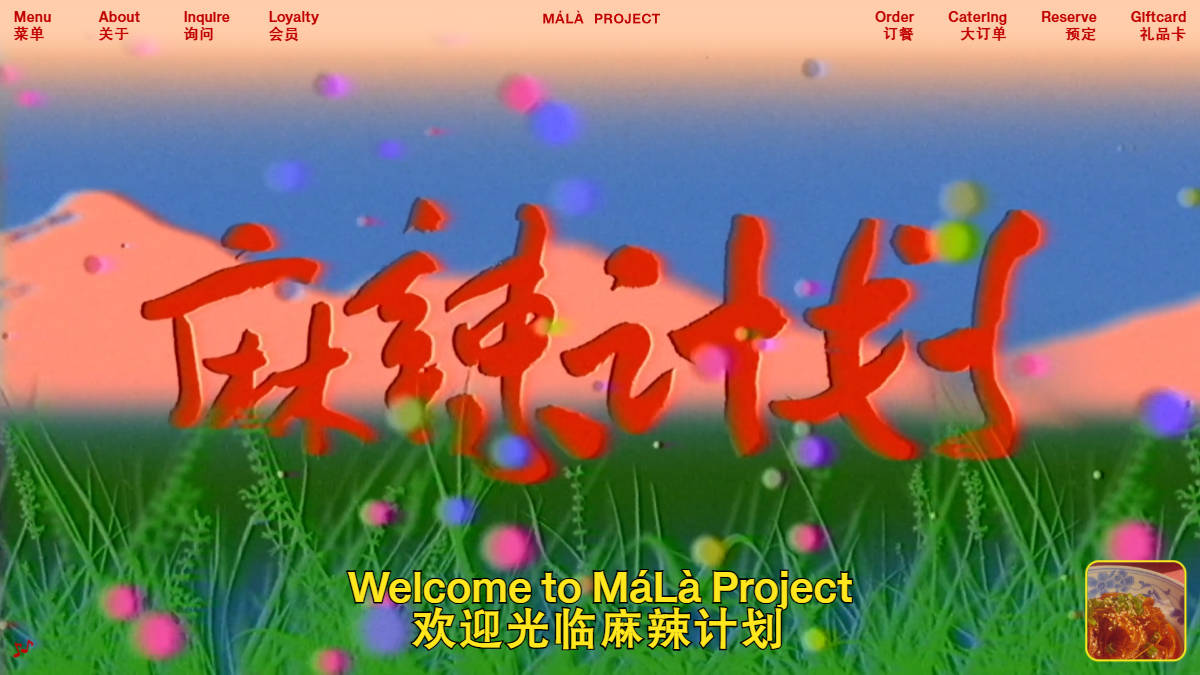
MaLaProject 餐饮品牌官网
malaproject.comEvoking 80s-90s newsprint warmth and vintage market sketches to deliver an authentic, inviting culinary narrative.
3. Deep-Dive: Landmark Retro Styles Across a Century
1
Luxury · Modernity · Geometric Symmetry1920s-1930s: Art Deco
An era of opulence, technological momentum, and disciplined geometry. Art Deco married machine-age industrial motifs with streamlined luxury. Characterized by stepped ziggurats, sunburst fan flourishes, polished brass, and daring contrasts of obsidian black and royal gold.
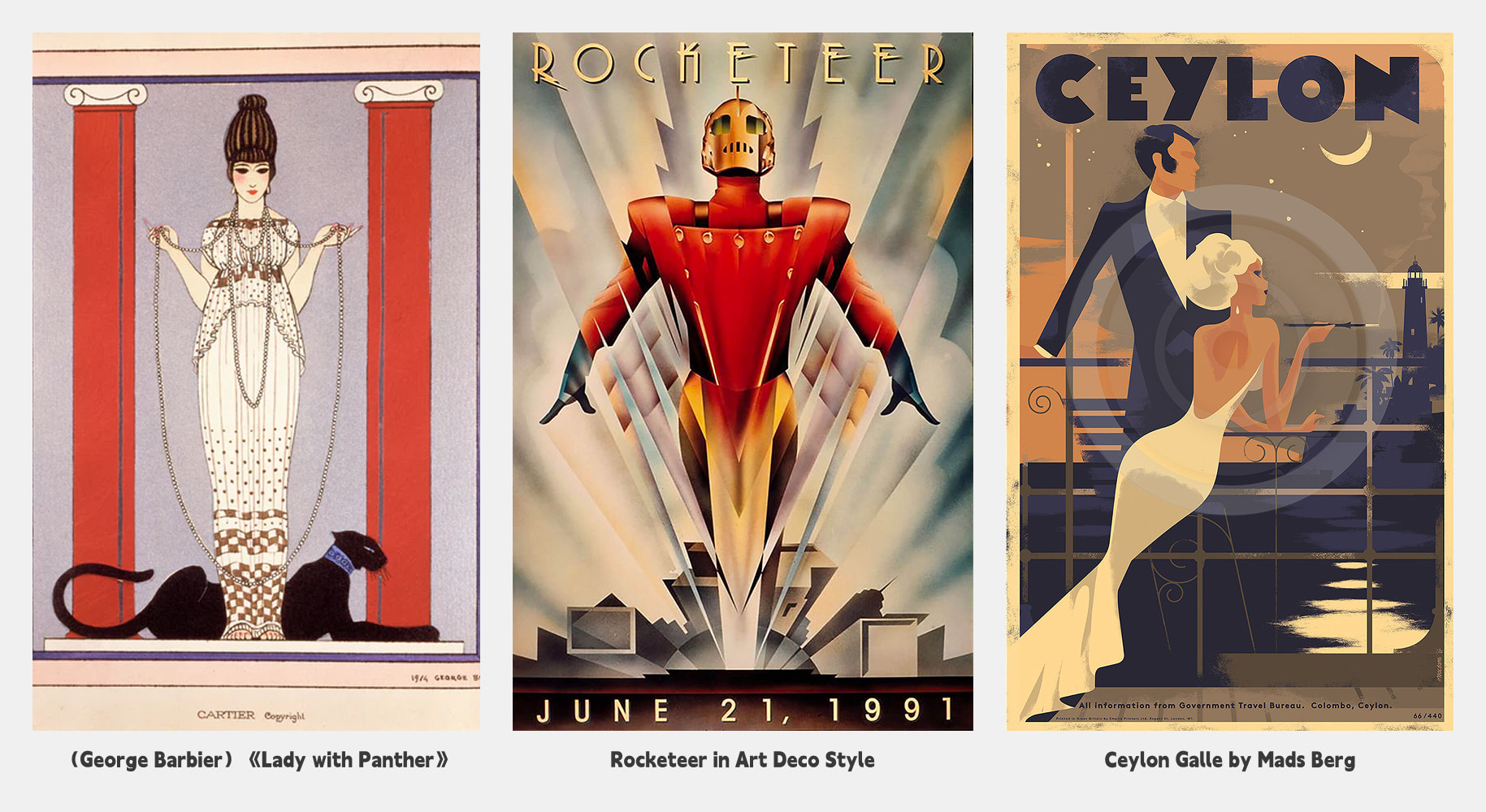
💡 AI 生图关键词参考 / AI Prompt Lexicon
Art Deco style, strict symmetrical composition, stepped ziggurat architecture, polished gold and black marble, sunburst geometric patterns, 1920s luxury editorial poster
2
Warmth · Gouache Art · Rounded Script1950s: Vintage & Retro Advertising
Post-war prosperity birthed an era bursting with cheer and optimism. 1950s graphics shone with gouache textures, soft pastel shades (mint, custard yellow, strawberry red), and welcoming curved script. Ideal for brands evoking time-tested warmth.
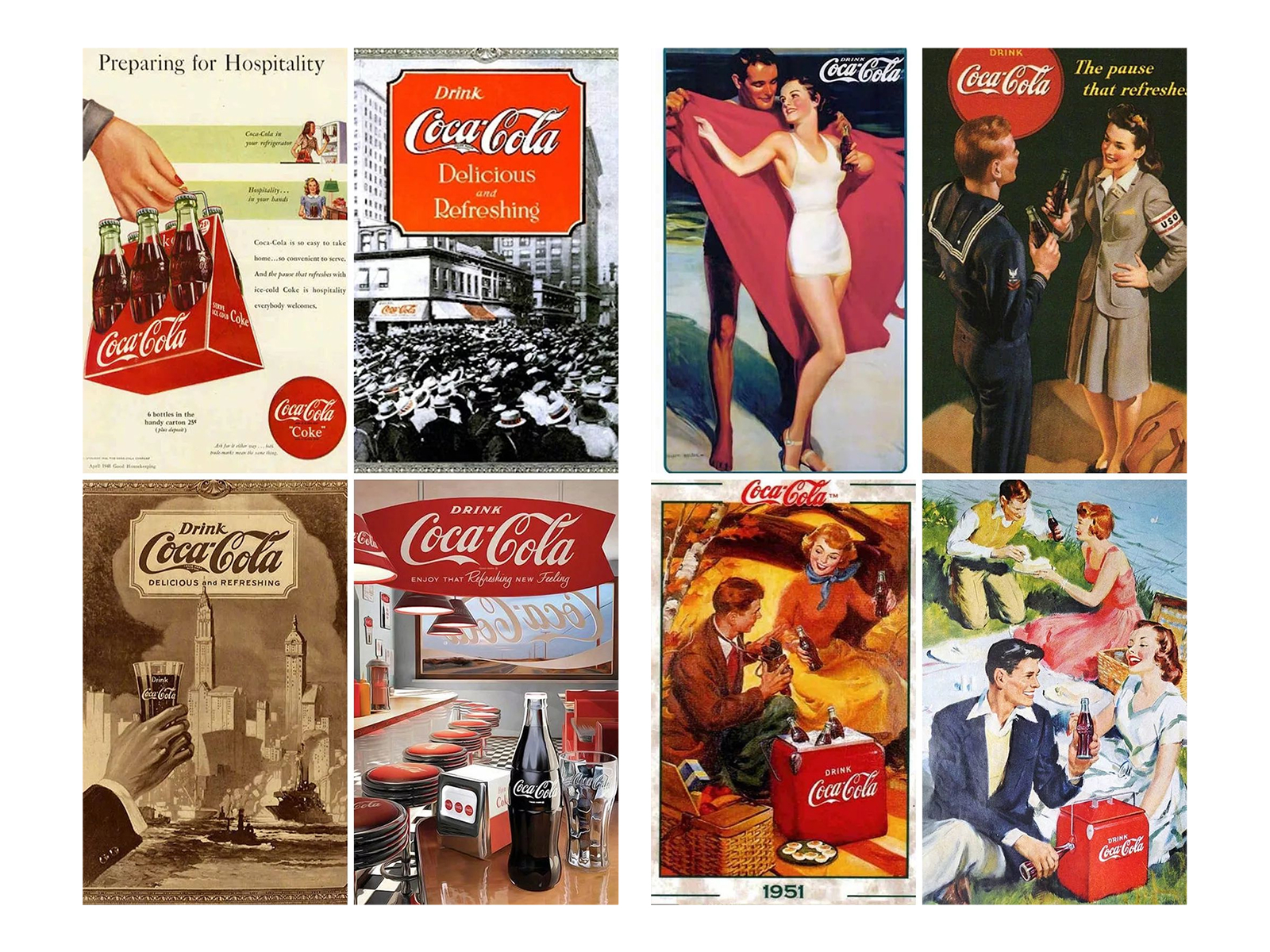
💡 AI 生图关键词参考 / AI Prompt Lexicon
1950s American vintage advertising illustration, gouache painting texture, warm pastel color palette, mint green and cherry red, playful retro script typography, Kodachrome film
3
Rebellion · Warping Waves · Rainbow Clash1970s: Psychedelic Art
A turbulent, liberating decade mirrored in design through electric clashing colors, undulating melting typography, kaleidoscopic concentric patterns, and liquid light optics. An enduring inspiration for music festivals and subversive streetwear.
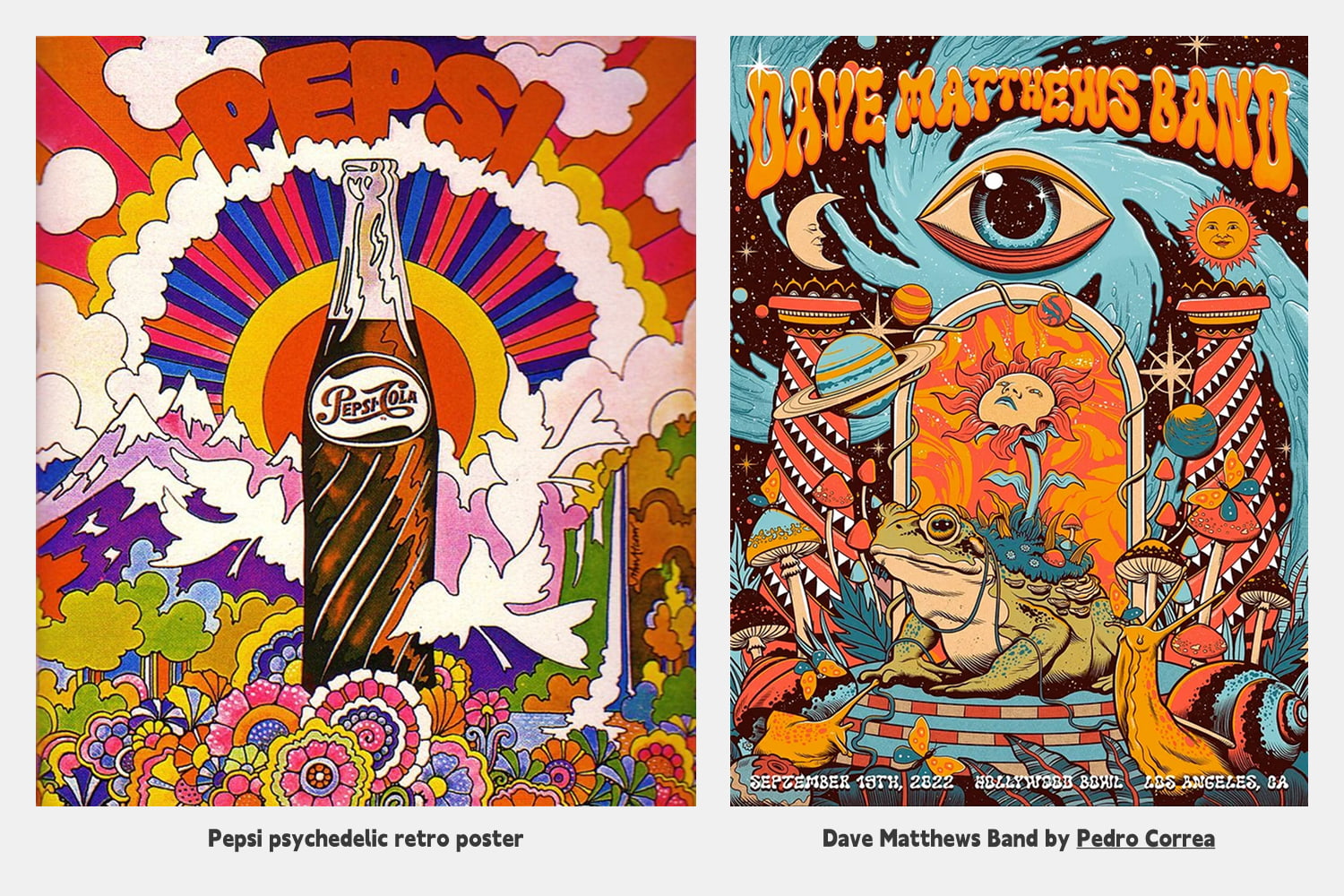
💡 AI 生图关键词参考 / AI Prompt Lexicon
1970s psychedelic concert poster, melting fluid wavy typography, rainbow concentric rings, electric orange and peacock green, high-contrast vintage print
4
Cyber Neon · Perspective Grid · CRT Scanlines1980s: Neon Retro Futurism / Synthwave
The golden intersection of computing dawn and synthpop. Famous for glowing neon tubes (magenta and electric cyan), 3D perspective vector grids, CRT phosphor scanlines, and liquid chrome styling. A timeless bridge between yesterday’s nostalgia and tomorrow’s dreams.
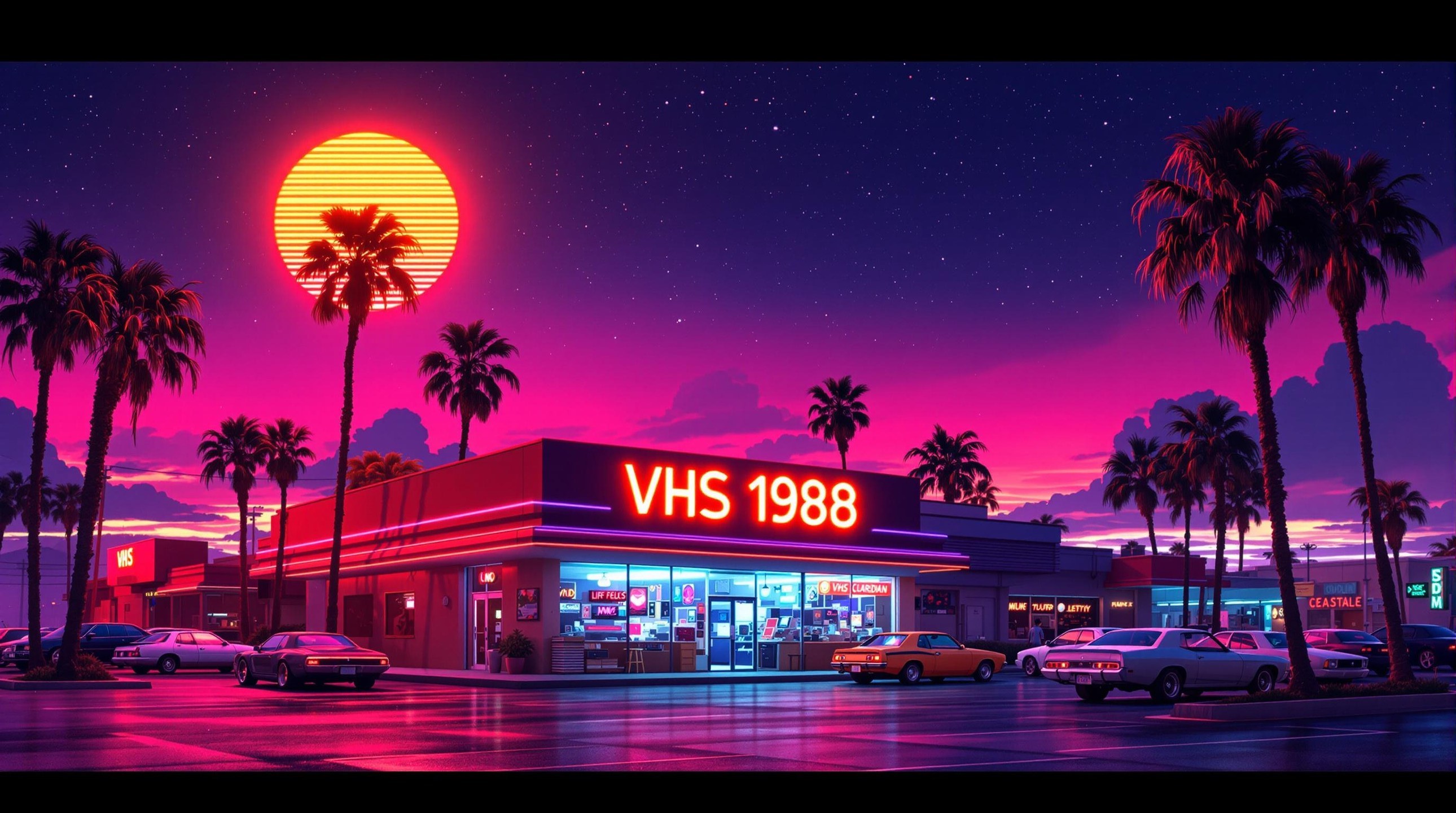
💡 AI 生图关键词参考 / AI Prompt Lexicon
1980s retro-futurism synthwave, neon glowing magenta and cyan lights, infinite wireframe perspective grid, dark twilight sky with giant chrome sunset, CRT scanlines
5
Chunky Pixels · Polycarbonate Jelly · Y2K Digital1990s: Retro Tech & Y2K Aesthetic
The exhilarating dawn of personal computing and the internet. Marked by Windows 95 beveled dialogs, chunky pixel art, candy-colored translucent plastics (iMac G3), and utopian Y2K cyber optimism. Today, a darling of avant-garde digital design.
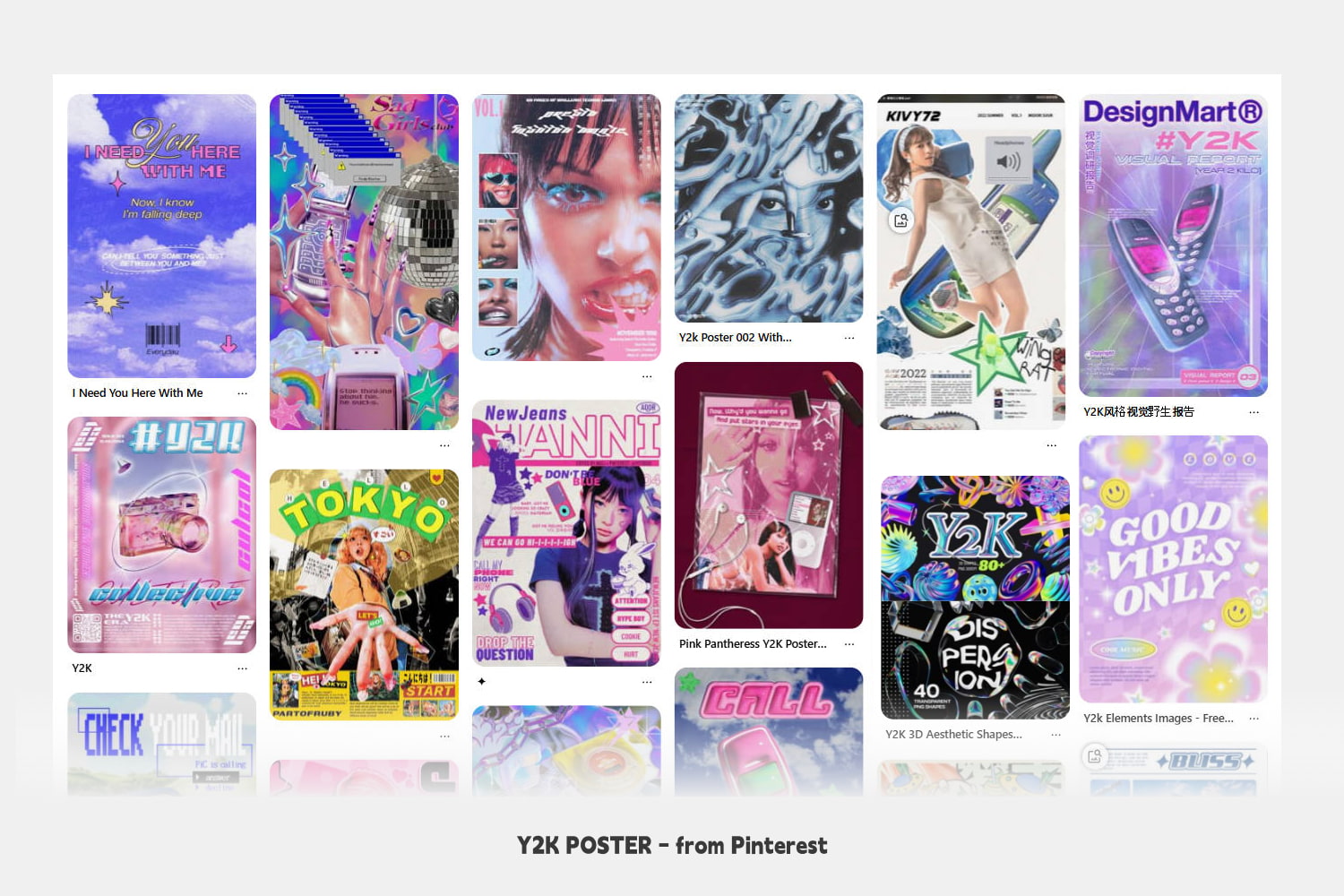
💡 AI 生图关键词参考 / AI Prompt Lexicon
1990s Y2K retro tech aesthetic, translucent jelly plastic gadgets, pixel art buttons, floating silver chrome liquid metallic spheres, nostalgic early internet cyberspace vibe
4. Regional Milestones: Bauhaus Modernism & Japanese Showa Retro
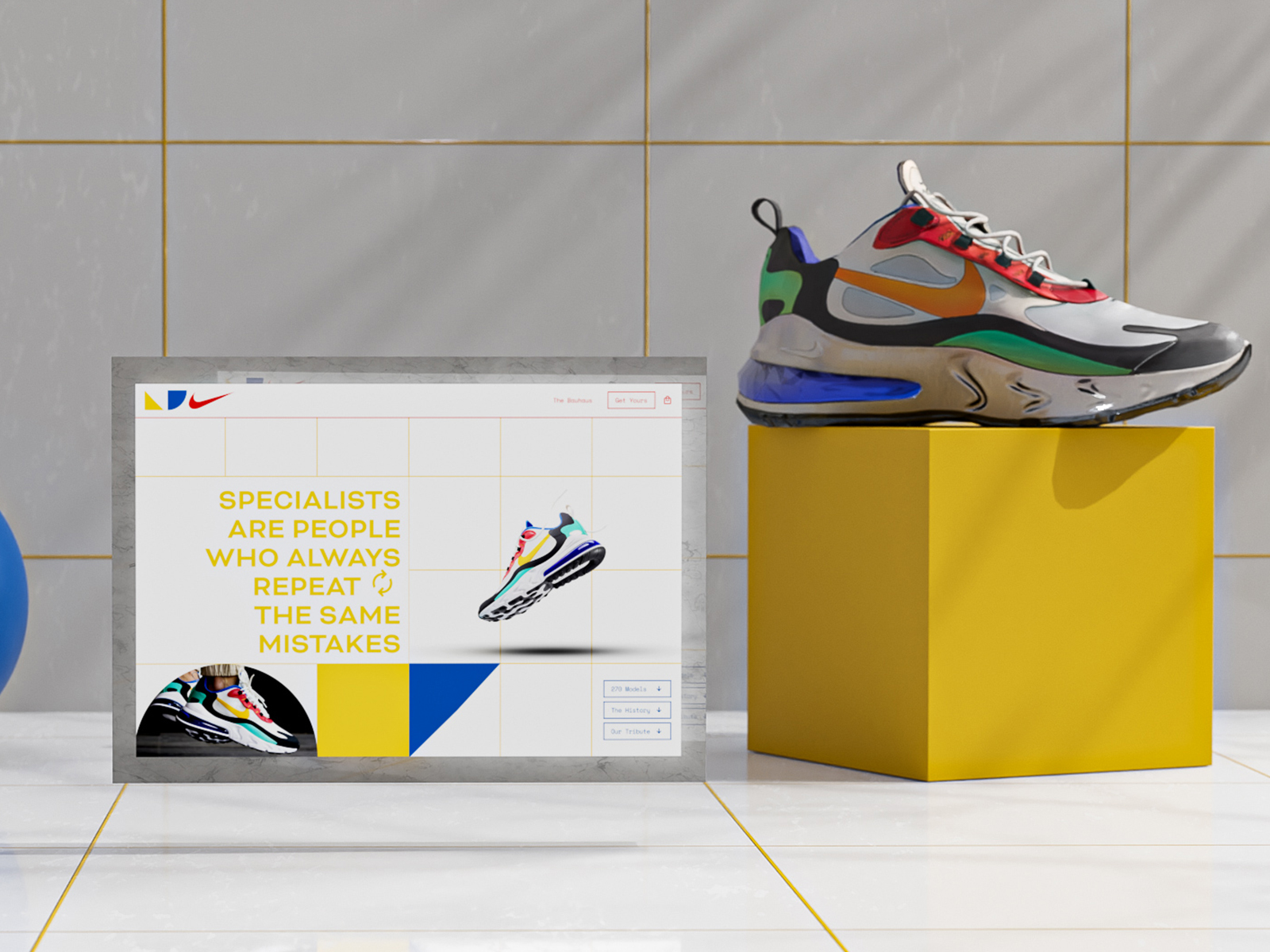
Bauhaus Style
Germany · Minimalist GenesisFounded in early 20th-century Germany as modern design’s bedrock. "Form follows function", championing primary colors (red, yellow, blue), fundamental geometry, and rigorous grid logic.
Showa Retro (昭和レトロ)
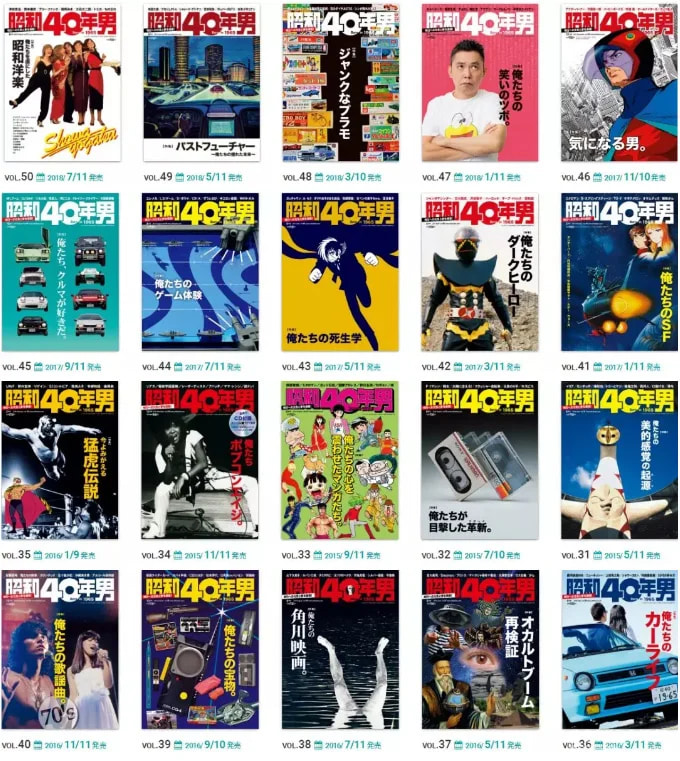
Japan · Nostalgic Film NostalgiaA captivating fusion of traditional Japanese intimacy and mid-century Western pop. Defined by saturated, deep earth tones, warm ambient lantern light, hand-lettered kanji signs, and the nostalgia of vintage kissaten cafes.
5. Critical Distinction: Vintage vs Retro
In everyday discussions, Vintage and Retro are often blurred. Yet in professional design taxonomy, their ontological definitions diverge completely:
Historical ArtifactVintage(怀旧老件)
Truly Originating from the Era
- Physical artifacts authentically crafted during that historical era
- Features true historical patina, aging, and archival collectability
- Prized for authenticity and vintage preservation
Modern ReimaginationRetro(复古重构)
Contemporary Homage to Past Aesthetics
- Created in the present utilizing contemporary digital engines and tools
- Adopts historical signifiers to solve modern UI and communicative goals
- Past style, modern soul
✨ In summary: Vintage refers to authentic antique artifacts, while Retro is contemporary design honoring historical styles.
6. Interactive Studio: Retro AI Prompt Synthesizer
Mix and match 7 iconic eras, subjects, and generative engines for instant production prompts.
Generated Production Prompt
An authentic 20s-30s Art Deco style visualization featuring vintage streamlined automobile. strict symmetrical geometric layout, stepped ziggurat composition, streamlined sunburst fan motifs, early industrial machine-age ornate details. Color grading: luxurious black and gold palette, emerald green and ivory accents, polished brass and marble reflections. Lighting: theatrical spotlighting, sharp specular brass highlights, deep velvet shadows. Rich analog texture, tactile materiality, award-winning editorial composition, 8k resolution --ar 16:9 --style raw --v 6.1
🎨 Key Elements: strict symmetrical geometric layout, stepped ziggurat composition, streamlined sunburst fan motifs, early industrial machine-age ornate details
💡 Lighting: theatrical spotlighting, sharp specular brass highlights, deep velvet shadows
7. Epilogue: A Journey Across Aesthetic Time Anchors
The greatest charm of retro design lies in its profound emotive resonance. By resurrecting historical aesthetics, it anchors contemporary design in cultural gravitas. Every timestamp on the historical continuum possesses unique stylistic properties ready for modern rediscovery.
When yesterday clashes head-on with tomorrow, Retro-futurism is born—viewing the future through the vintage lens. In upcoming chapters, we will continue exploring Brutalism, Neo-Brutalism, Space Punk, and Dreamcore.
Upcoming Horizon
The Aesthetics of Time Displacement: Decoding Retro-Futurism
When flying cars meet mechanical brass gears, and vacuum tubes navigate interstellar voyages. Stay tuned.

Curated from RicoUI (@ricouii) Design Series, compiled by evaoo.com Visual Research Team.RicoUI × evaoo
Explore More Image Guides
Back to Hub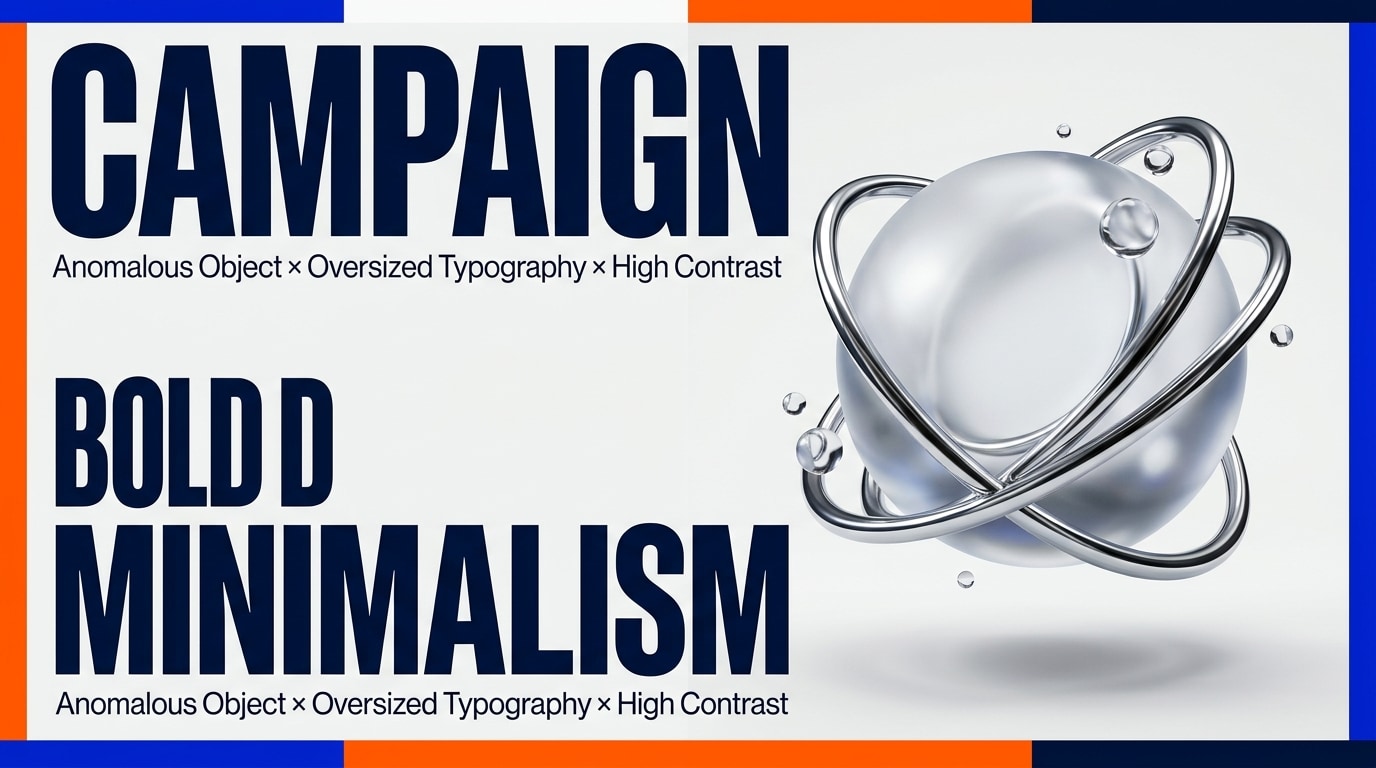
Commercial Campaign · Minimalism
Design Guide: Crafting High-Impact Minimalist Brand Campaign Posters with AI Prompts
Deconstructing 12-step commercial advertising poster rules: single hero subject + single anomaly + oversized typography + high-contrast solid backdrop. Includes 4 curated original showcases and an interactive Campaign Studio.
Eian @EianLu

Style Guide: Chinese Ink Wash
Design Style Guide: Mastering Qi Baishi Chinese Freehand Ink Wash & Contemporary Minimalist AI Design
Bold brushwork, visible ink gradations, and intentional negative space! Bringing Qi Baishi's freehand spirit into GPT-Image 2.5 for contemporary minimalist posters with an interactive studio.
Lucidity @darkmirror_N

Style Guide: Dreamcore
Design Style Guide: Dreamcore Aesthetics — Liminal Spaces, Surreal Nostalgia & AI Dream Maker Studio
Deconstructing subconscious nostalgia and liminal spaces! In-depth guide exploring the 3 pillars of Dreamcore, Dreamcore vs Weirdcore, Too Rich City Chinese surrealism, and an interactive prompt studio.
RicoUI @ricouii
Need Autonomous Agents?
Explore multi-agent workflows, enterprise RAG, and local LLMs.