
Two Months at a Tech Giant: My AI Agent Development Workflows, Harness Engineering & Code Review Lessons
Author: 黄同学h @huangtongxueh
Format: Course Article
Est. Read Time: 5 min
Author: Huang @huangtongxueh•Published: 2026-10-09•Reading Time: ~12 min•Big Tech Field Guide
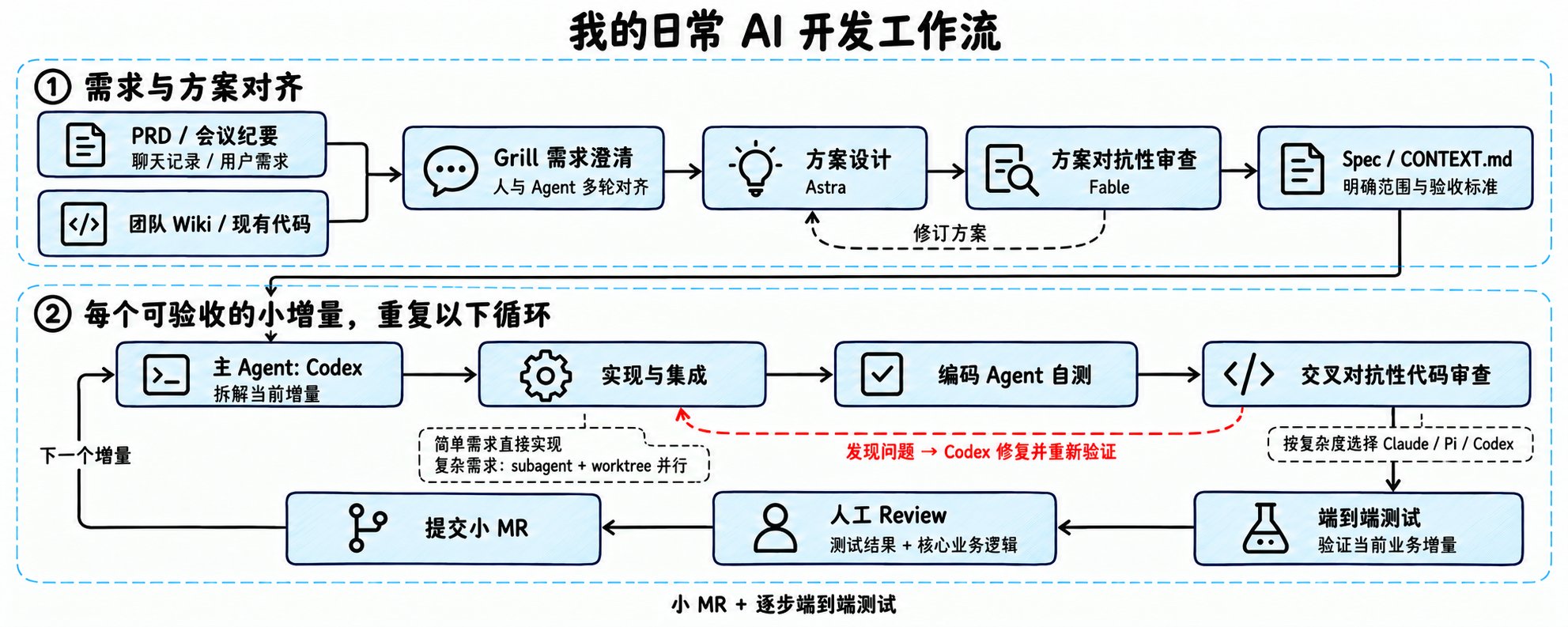
Figure 1: Full-lifecycle AI agent development workflow with specification alignment and small-increment cycles
Executive Summary
During the first two months at a major tech company building Agent systems and maintaining backend services, the author became the primary owner for several mission-critical initiatives through tool specialization, personalized Harness engineering, and disciplined code review.
Background: From Bloated Skills to Model Pruning
As models evolve to GPT-5.6 Sol, Astra, and Claude 5 Fable, heavyweight skills like Superpowers (rigid TDD/Spec constraints) often waste tokens and become noise. Instead of locking models into rigid workflows, modern harness engineering focuses on lean, specialized cognitive prompts.
1. Tooling Division & Cognitive Shortcut Prompts
Codex + GPT-5.6 Sol
Implementation workhorse for high-velocity coding and test-driven cycles.
Astra
Macro planning and architectural task decomposition.
pi + DeepSeek V4 Flash
Low-cost execution for rapid minor tasks and browser automation.
Claude 5 Fable
Adversarial reviews, edge case detection, and pre-MR auditing.
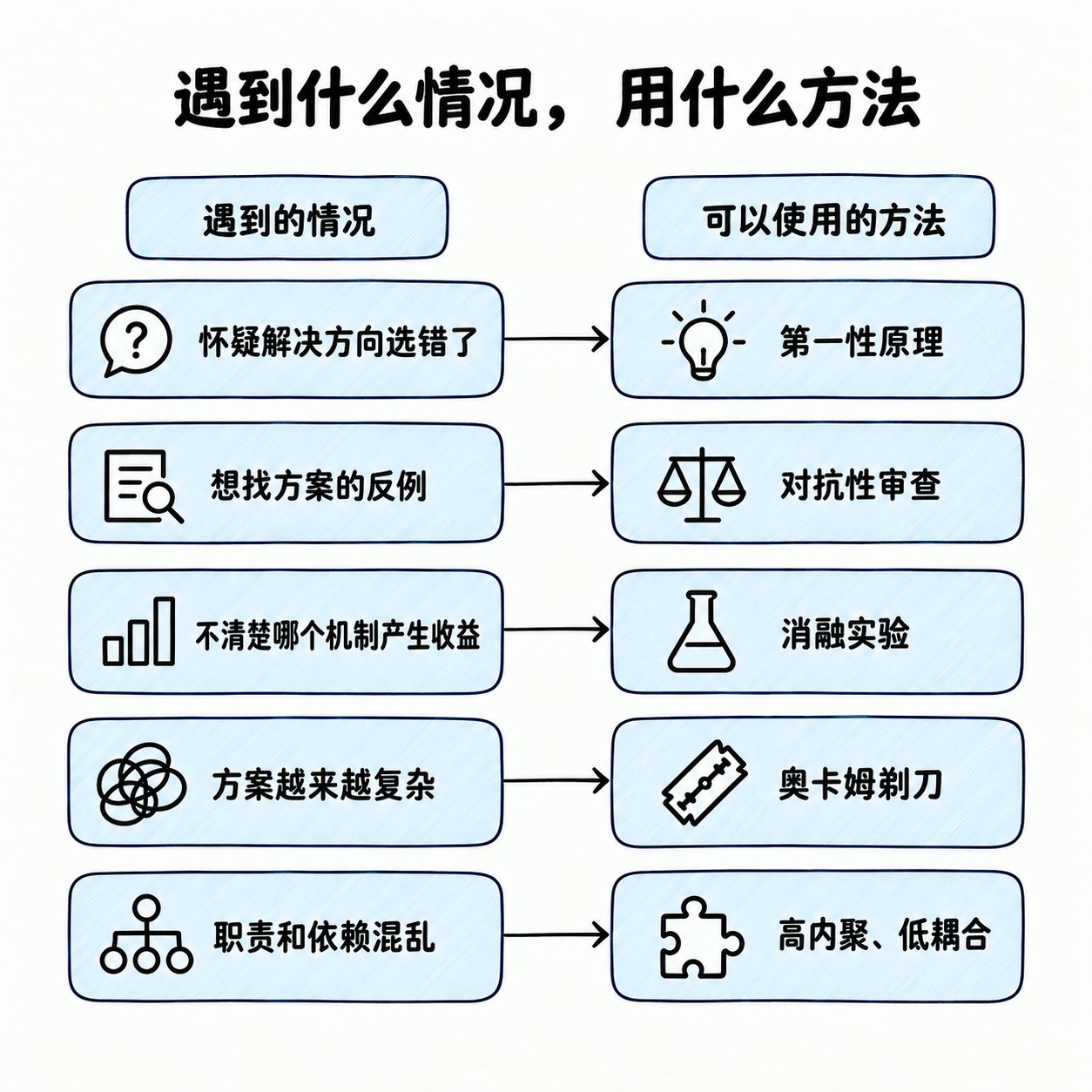
Figure 2: Mental shortcut mapping for different architectural hurdles
5 High-Impact Mental Shortcuts:
- First Principles: Challenge problem formulation before introducing infrastructure like Redis.
- Adversarial Review: Actively find counterexamples and failure modes rather than validating assumptions.
- Ablation Testing: Verify which specific optimization truly produced latency gains.
- Occam's Razor: Strip out unnecessary Kafka queues, state machines, and distributed locks if a simple transactional unique constraint suffices.
- High Cohesion, Low Coupling: Maintain explicit domain boundaries without artificial over-splitting.
2. Daily Development Workflow
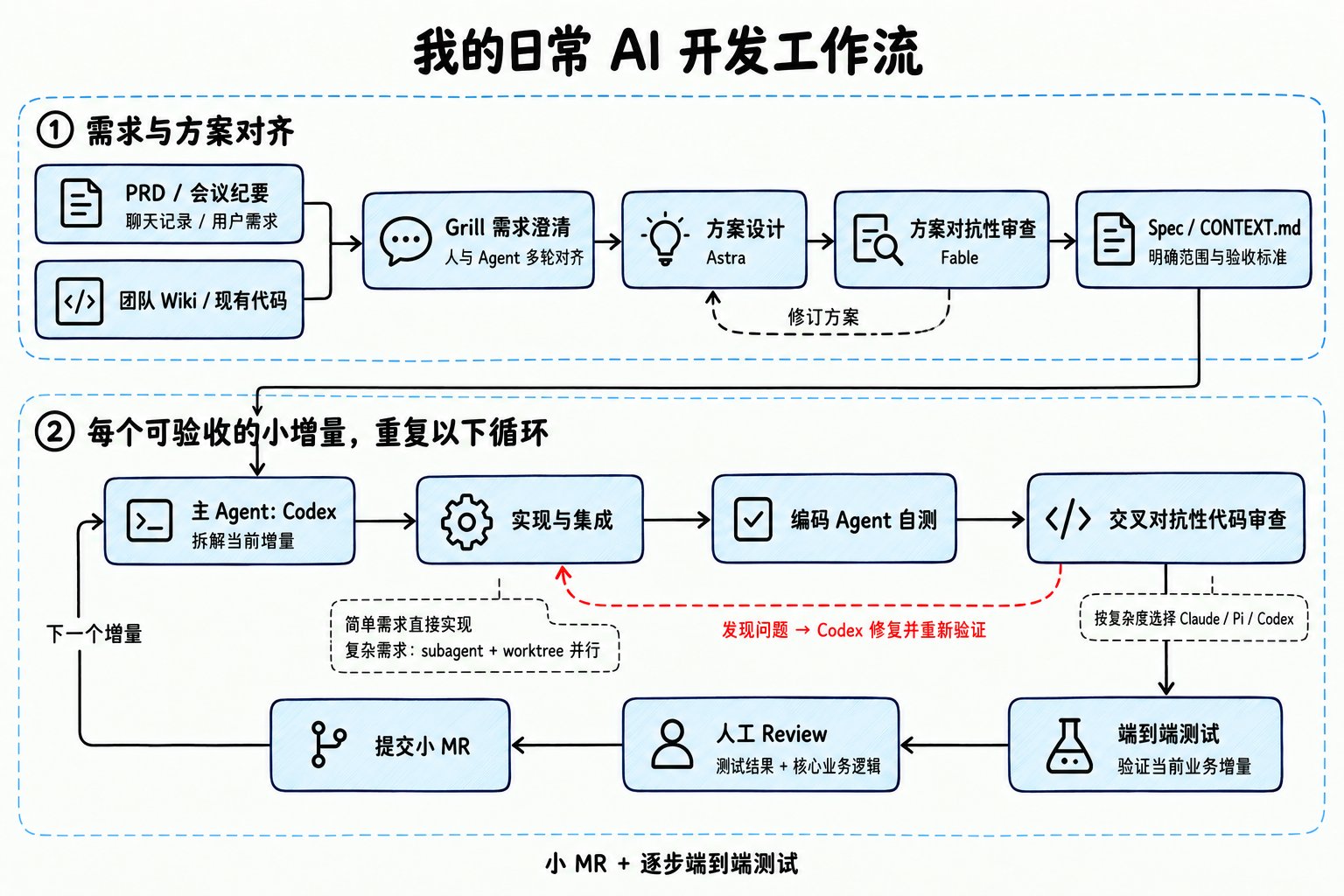
1. Alignment: Grill inputs (PRDs, meeting notes, code) into a concise Spec / CONTEXT.md without over-planning.
2. Incremental Delivery: Break work into small deliverables, dispatch to isolated git worktrees, run automated E2E tests, and deliver small MRs.
3. Building an Agent-Friendly E2E Test Harness
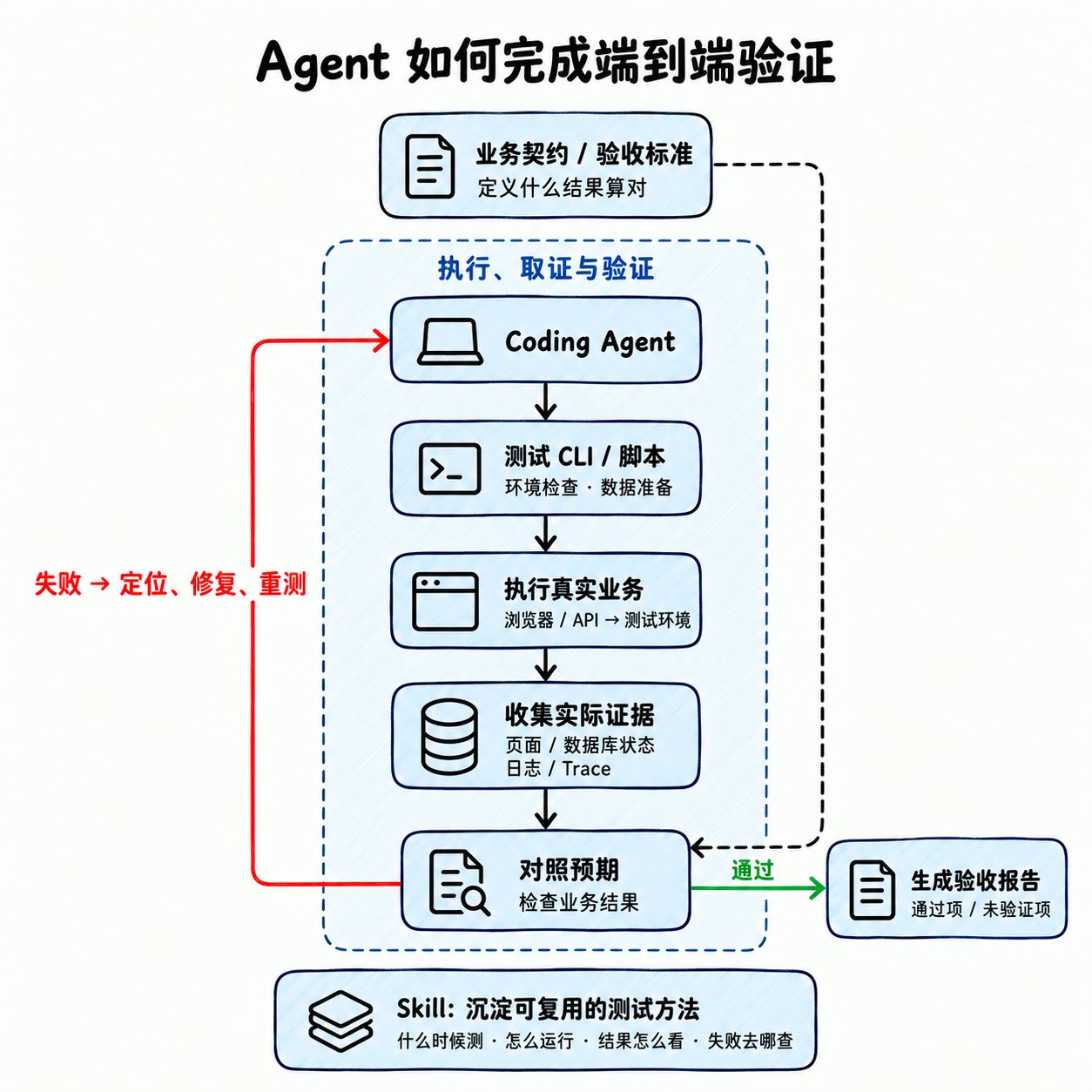
- Four Pillars: Sandbox familiarity, system execution capability, read-only DB/trace access, and standardized CLI tool encapsulation.
- Golden Rule: Tools provide physical evidence, but expected outcomes must strictly derive from business contracts. Never accept output just because the system returned it.
4. Reviewing AI-Generated Code
Engineers are the ultimate owners of production code. Focus review energy on high-risk boundaries: permissions, concurrency, retry semantics, data consistency, and database rollbacks, while safely letting routine boilerplate pass.
5. Reflections: Engineering Moats in the AI Era
The ultimate bottleneck is human review bandwidth, not generation speed. Build a robust harness, prune outdated rules regularly, and maintain deep domain mastery.